
POC Radio vs Two-Way Radio: Key Differences
If your team relies on instant, push-button communication, you have probably run into two main options: traditional two-way radios and POC radios. Both let you talk to your crew wi

If your team relies on instant, push-button communication, you have probably run into two main options: traditional two-way radios and POC radios. Both let you talk to your crew wi

A helmet camera only documents what it can actually see. On a construction site, in a substation, or inside a confined space, the mounting position decides whether the footage show

Police departments, security teams, and field crews rely on video evidence more than ever. Two tools dominate that conversation: the body camera and the dash cam. They both record
Body cameras are now common equipment for security guards, construction supervisors, and field staff across mainland China. But unlike many Western markets where recording law most
Security guards are not legally required to wear body cameras in most of the United States, but a growing number of security firms are equipping their teams with them anyway. The r

A body camera is only useful if it is recording when something happens. Battery life decides whether that is true. An officer, security guard, or site supervisor cannot control whe

If you have ever watched a security guard, a construction foreman, or a police officer speak into a radio by holding down a single button, you have seen push-to-talk in action. It
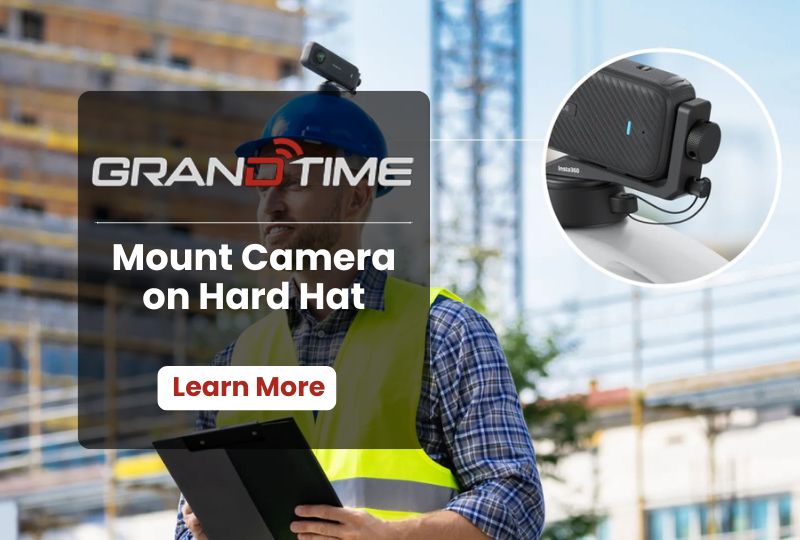
Mounting a camera on a hard hat has become common practice across construction, utilities, inspection work, and public safety. It gives supervisors a first-person view of jobsite c
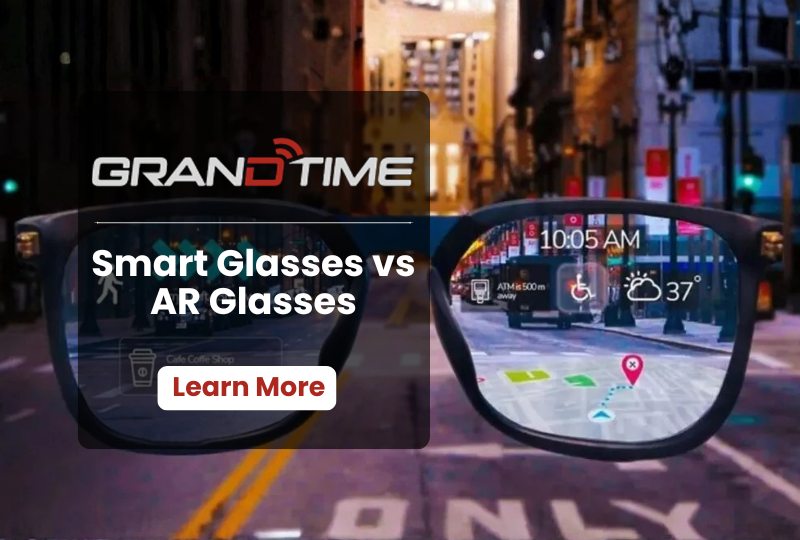
Walk into any tech store or scroll through any gadget review site, and you will see the terms “smart glasses” and “AR glasses” used as if they mean the same

AR stands for augmented reality. It is a technology that adds digital images, sounds, or information on top of the real world you see around you. Instead of pulling you into a full