
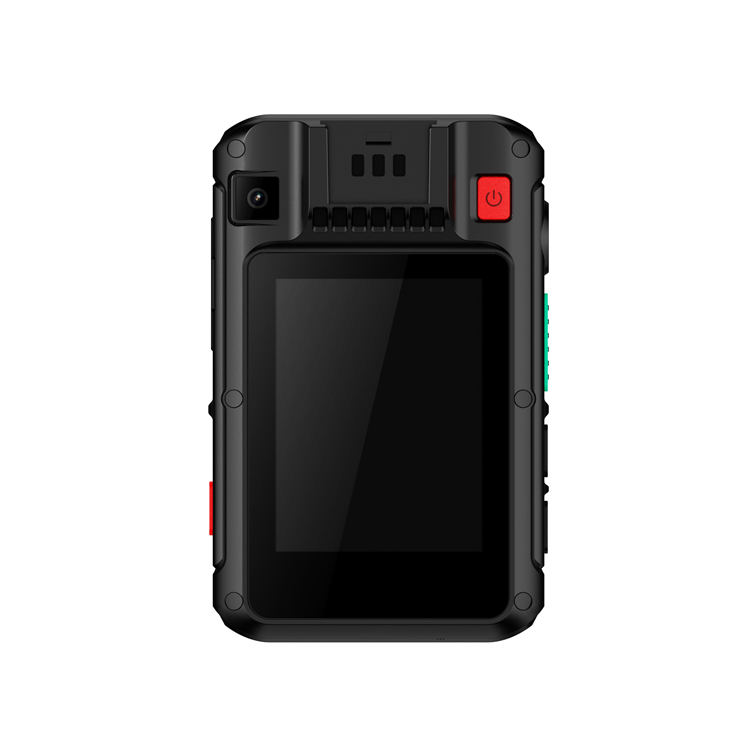
A private label body worn camera manufacturer provides fully developed wearable security camera systems that companies can rebrand and sell under their own business identity. Instead of investing in expensive research, engineering, and factory setup, businesses partner with established manufacturers who already produce tested and reliable devices.
This model is especially popular among security brands, distributors, wholesalers, and startups because it allows them to quickly enter the market with professional-grade products. China is currently the global leader in this sector due to its advanced electronics manufacturing ecosystem, strong supply chain integration, and ability to produce high-quality devices at competitive prices.
What Is a Private Label Body Worn Camera Manufacturer?
A private label body worn camera manufacturer is a factory or supplier that produces ready-made or semi-customizable body cameras which other businesses can sell under their own brand name. These manufacturers handle the full production cycle including hardware assembly, firmware installation, testing, and packaging.
Instead of building a product from scratch, the buyer selects an existing model and applies branding elements such as logos, packaging design, and sometimes software interface customization. This makes it a cost-effective and efficient solution for companies that want to focus on marketing and sales rather than production.
How Private Label Body Cameras Work
The private label process usually begins with selecting a base model from the manufacturer’s catalog. Once the model is selected, the buyer can request branding changes such as logo placement, packaging design, and user manual customization. Some advanced manufacturers also allow changes in memory size, camera resolution, and connectivity options like Wi-Fi or LTE.
After customization is finalized, the manufacturer produces the order in bulk, performs quality control checks, and ships the finished products directly to the client or distributor. This streamlined process significantly reduces time-to-market compared to developing a product independently.
Benefits of Private Label Body Worn Camera Manufacturing
One of the biggest advantages of private label manufacturing is speed. Businesses can launch their own branded product line in a much shorter time compared to full OEM development. Since the base design already exists, there is no need for long engineering cycles or prototype testing.
Another major benefit is cost efficiency. Companies save money on research, tooling, and production setup while still receiving high-quality products. This allows for better pricing flexibility and higher profit margins in competitive markets.
Private label manufacturing also provides scalability. As demand grows, manufacturers can increase production without requiring the business to invest in infrastructure. This makes it ideal for companies planning long-term expansion.
Features of Private Label Body Worn Cameras
Private label body worn cameras typically include high-definition video recording capabilities designed to capture clear and reliable footage in various environments. Many models support full HD or even 4K resolution, ensuring that details remain visible during investigations or inspections.
These devices often come equipped with infrared night vision, allowing users to record in low-light or completely dark environments. This feature is especially important for law enforcement and security personnel working night shifts.
GPS tracking is another common feature, enabling location data to be recorded along with video footage. This improves accountability and helps organizations track field operations more effectively.
Modern private label cameras may also include LTE or Wi-Fi connectivity, which allows real-time video streaming or fast data transfer to centralized systems. This is particularly useful for emergency response teams and security monitoring centers.
Customization Options in Private Label Manufacturing
Private label manufacturers offer a wide range of customization options that allow businesses to build a unique brand identity. One of the most common customizations is logo branding, where the company’s logo is printed or engraved on the device body, startup screen, or accessories.
Packaging customization is also a key feature. Businesses can design their own boxes, user manuals, and labels to match their brand identity and improve product presentation in the market.
Some manufacturers also provide limited hardware customization, such as adjusting storage capacity, battery size, or camera resolution. In more advanced setups, firmware customization is available, allowing companies to modify the user interface or integrate mobile applications.
Accessory customization is another important area, including docking stations, clips, mounts, and charging systems tailored to specific industry needs.
Quality Control in Private Label Manufacturing
Quality control is a critical part of private label body camera production. Manufacturers typically start with raw material inspection, where all electronic components and hardware parts are tested before assembly begins.
During production, quality teams monitor the assembly line to ensure that every unit meets required specifications. This includes checking wiring, camera alignment, battery installation, and waterproof sealing where applicable.
After assembly, each device undergoes functional testing. This includes video recording tests, audio clarity checks, battery performance evaluation, and connectivity testing for Wi-Fi or LTE-enabled models.
Finally, a full inspection is conducted before packaging. This ensures that each unit is free from defects and ready for international shipment.
Industries That Use Private Label Body Cameras
Private label body worn cameras are widely used across multiple industries. Law enforcement agencies use them to improve transparency and document field operations. Private security companies rely on them to enhance monitoring and incident reporting.
Transportation and logistics companies use body cameras to track deliveries and ensure safety compliance. Industrial and construction sectors use them for workplace safety monitoring and inspection documentation.
They are also used in emergency response services, utility inspection teams, and event security operations where real-time recording and accountability are essential.
How to Choose the Right Private Label Body Worn Camera Manufacturer
Choosing the right manufacturer is one of the most important decisions for building a successful product line. Experience in the security electronics industry is a key factor, as it ensures the manufacturer understands technical requirements and industry standards.
R&D capability is also important because it determines how advanced and future-ready the product will be. Manufacturers with strong research teams can offer better features and continuous product improvements.
Production capacity should be evaluated to ensure the manufacturer can handle both small and large orders without delays. Communication quality is also essential for smooth collaboration, especially when customizing products.
Finally, businesses should always request samples before placing bulk orders. This helps verify product quality, durability, and performance under real conditions.
Future Trends in Body Worn Camera Manufacturing
The body worn camera industry is evolving rapidly with new technologies. Artificial intelligence is increasingly being integrated into cameras for automatic incident detection and video analysis.
Cloud storage systems are becoming standard, allowing organizations to store and access footage remotely. 5G connectivity is also emerging, enabling faster and more stable real-time video transmission.
Manufacturers are also focusing on making devices smaller, lighter, and more energy-efficient. Longer battery life and improved night vision capabilities are becoming standard expectations in modern devices.
Conclusion
A private label body worn camera manufacturer provides businesses with a powerful opportunity to enter the growing security technology market without heavy investment in production facilities. By leveraging OEM production, companies can build their own branded line of high-quality body cameras with advanced features and reliable performance.
With strong customization options, scalable production, and competitive pricing—especially from manufacturers in China—private label solutions are ideal for distributors, wholesalers, and security brands looking to expand their product portfolio and grow globally.