


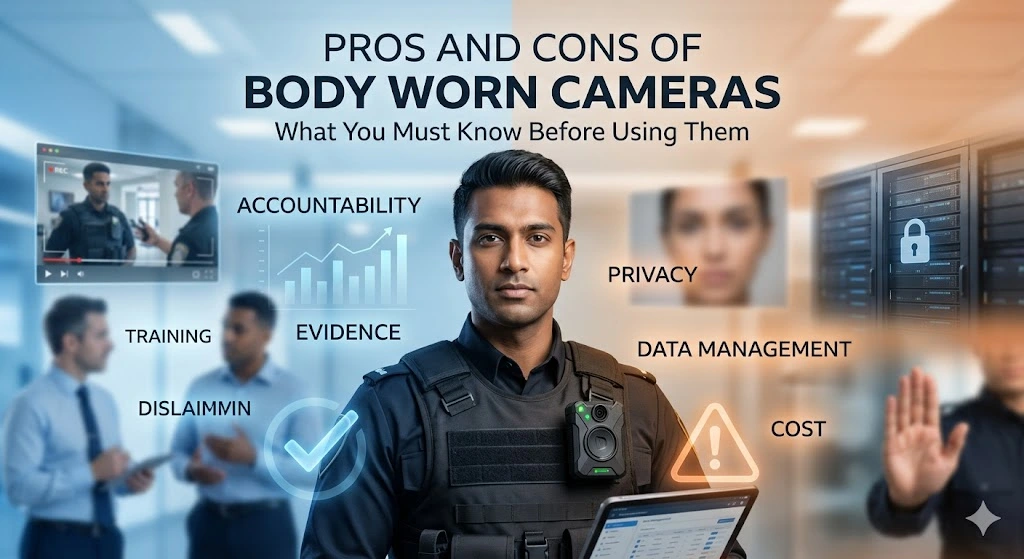
Police departments across the United States continue adopting advanced wearable recording systems to improve transparency, accountability, evidence collection, and officer safety. Over the last decade, body camera technology has become one of the most discussed public safety technologies in modern policing, especially as more agencies evaluate the police body cameras pros and cons before large-scale deployment.
Many law enforcement agencies now consider body cameras essential tools for documenting incidents, protecting officers, supporting investigations, and improving public trust. However, while wearable recording systems provide many advantages, there are also operational, financial, and ethical challenges agencies must carefully consider before large-scale deployment.
Understanding the police body cameras pros and cons is important for departments planning to invest in new recording systems or upgrade existing technology.
At Grand Time, wearable public safety technology is designed to support law enforcement agencies, emergency responders, and public safety organizations with advanced recording and communication solutions built for real-world field operations.
This article explores the advantages, limitations, operational challenges, and future trends surrounding police body camera systems in the United States.
Understanding Police Body Cameras Pros and Cons
The discussion around police body cameras pros and cons has grown significantly as more law enforcement agencies implement wearable recording programs across the country.
Modern:
- police body worn cameras
- body cameras for law enforcement
- wearable police cameras
are designed to record interactions between officers and the public in real time.
These systems help improve:
- Evidence collection
- Accountability
- Transparency
- Officer protection
- Incident review
At the same time, agencies must also address:
- Privacy concerns
- Data storage costs
- Policy compliance
- Legal issues
- Operational challenges
Understanding the full range of police body cameras pros and cons helps departments make better technology decisions while improving public safety operations.
Why Police Departments Use Body Cameras
Body cameras are now widely used across the United States because they provide visual documentation of law enforcement interactions.
A modern:
- officer body camera systems
- police recording devices
- body worn video systems
helps officers record incidents directly from their perspective.
Departments use these systems for:
- Traffic stops
- Arrest documentation
- Evidence collection
- Public interactions
- Tactical operations
- Emergency response
Many agencies believe wearable recording systems improve professionalism and reduce disputes during incidents.
The expansion of:
- public safety body cameras
- emergency response body cameras
- wearable security cameras
reflects the growing role of digital recording technology in law enforcement.
What Are the Advantages of Police Body Cameras?
The primary benefits of wearable camera systems explain why adoption continues increasing nationwide.
Many agencies see significant advantages of police body cameras during daily operations.
Improved Accountability
One of the biggest advantages is increased accountability.
Modern:
- police accountability technology
- police accountability and body cams
- law enforcement accountability systems
help ensure that interactions are documented objectively.
Both officers and civilians may behave more professionally when recording systems are active.
A strong body camera program can support:
- Better incident reporting
- Reduced misconduct complaints
- Greater operational transparency
- Stronger evidence documentation
Many departments view wearable recording systems as valuable police transparency tools.
Better Evidence Collection
Another major benefit is improved evidence management.
A modern:
- body cam evidence collection
- video evidence for law enforcement
- officer incident recording
system provides clear visual documentation during incidents.
This helps support:
- Criminal investigations
- Court proceedings
- Internal reviews
- Training analysis
Reliable video evidence often improves case accuracy while reducing disputes about officer actions.
Modern police video recording systems are becoming central parts of digital evidence management strategies.
Improved Officer Safety
Wearable recording technology may also improve officer safety.
Many agencies use:
- officer safety technology
- smart body worn cameras
- real time police recording
systems to support field operations.
Officers may feel more protected knowing incidents are being recorded.
In some situations, visible recording devices may also reduce aggressive behavior from suspects or bystanders.
A reliable body camera system can improve both operational awareness and responder confidence during difficult situations.
Increased Public Trust
Public trust remains one of the most important issues in modern policing.
Many departments believe body cameras help improve:
- Transparency
- Accountability
- Community confidence
- Incident review accuracy
Modern:
- law enforcement transparency
- police misconduct prevention
- public trust in policing
initiatives often include wearable recording programs.
Video footage may help resolve disputes faster while providing clearer documentation of incidents.
Understanding the positive side of police body cameras pros and cons often starts with the role cameras play in strengthening public confidence.
Better Training Opportunities
Recorded footage can also improve officer training programs.
Departments may use:
- law enforcement body cam footage
- body camera effectiveness
- digital evidence management
systems for operational review and training analysis.
Video allows agencies to:
- Review tactical decisions
- Analyze communication
- Improve procedures
- Identify safety risks
Training based on real-world footage often provides more practical learning opportunities for officers.
What Are the Disadvantages of Police Body Cameras?
While wearable recording systems offer many advantages, there are also several operational and ethical challenges agencies must consider.
The conversation around police body cameras pros and cons must include these limitations.
Privacy Concerns
One of the biggest challenges involves privacy.
Many critics raise:
- body camera privacy concerns
- body camera civil rights concerns
- ethical issues of body cameras
especially regarding public interactions and sensitive situations.
Body cameras may record:
- Private residences
- Medical emergencies
- Victims of crimes
- Juveniles
- Bystanders
Departments must create strong policies controlling:
- When cameras record
- Who accesses footage
- How footage is stored
- How long recordings remain archived
Balancing transparency with privacy protection remains a major challenge for agencies.
High Data Storage Costs
Video storage is expensive.
Modern:
- body cam data storage
- body camera storage solutions
- body camera footage management
systems require secure infrastructure capable of storing large amounts of HD video footage.
Departments must invest in:
- Cloud storage
- Secure servers
- Cybersecurity
- Evidence management platforms
Long-term storage costs may become significant for large police departments recording thousands of hours of footage monthly.
The financial side is an important part of evaluating police body cameras pros and cons.
Operational Challenges
Implementing wearable recording systems is not always simple.
Departments often face:
- body cam operational challenges
- body camera implementation costs
- body camera deployment
issues during large-scale rollouts.
Common operational concerns include:
- Battery life
- Equipment maintenance
- Officer training
- Video upload delays
- Technical failures
Agencies must also ensure officers follow department recording policies consistently.
Legal and Regulatory Concerns
Body camera programs must comply with legal regulations.
Modern:
- body camera legal concerns
- police body cam regulations
- law enforcement surveillance technology
require agencies to carefully manage:
- Public records requests
- Evidence handling
- Privacy protections
- Court disclosure procedures
Different US states may have different laws regarding public access to body camera footage.
Departments must work closely with legal advisors to maintain compliance.
Policy Management Difficulties
A body camera system is only effective when supported by strong operational policies.
Every department needs a clear:
- police body camera policy
- body camera deployment
- digital evidence management
framework.
Policies must address:
- Recording activation
- Data retention
- Public access
- Officer responsibilities
- Evidence handling
Without consistent policies, agencies may face legal disputes or operational confusion.
Financial Challenges for Smaller Departments
Large agencies may have bigger technology budgets, but smaller police departments often struggle with costs.
Expenses may include:
- Camera hardware
- Storage systems
- Maintenance
- Software licensing
- Cybersecurity
- Staff training
For smaller departments, balancing technology investment with budget limitations remains difficult.
Understanding the financial side of police body cameras pros and cons is especially important for local agencies.
The Role of AI in Modern Body Camera Systems
Artificial intelligence is becoming increasingly important in law enforcement technology.
Modern:
- AI body camera technology
- smart body worn cameras
- police monitoring systems
may now include:
- Facial recognition
- Automated tagging
- Real-time alerts
- Object detection
- Audio transcription
AI tools help agencies improve evidence organization and operational efficiency.
However, AI also raises additional concerns regarding:
- Privacy
- Data bias
- Surveillance ethics
- Algorithm transparency
As technology evolves, agencies must carefully balance innovation with ethical responsibility.
Real-Time Streaming and Live Monitoring
Many modern body camera systems now support:
- Live streaming
- GPS tracking
- Remote monitoring
- Real-time communication
A connected:
- real time police recording
- wearable security cameras
- police monitoring systems
solution helps supervisors monitor active incidents remotely.
This improves:
- Tactical coordination
- Emergency response
- Officer safety
- Situational awareness
Live monitoring technology is becoming increasingly important for large public safety operations.
How Body Cameras Support Emergency Response Teams
Body cameras are no longer limited to police departments alone.
Many agencies now use:
- emergency response body cameras
- public safety body cameras
- wearable police cameras
for:
- Fire response
- EMS coordination
- Disaster management
- Tactical operations
Modern wearable systems improve operational visibility during high-risk incidents.
Why Secure Evidence Management Matters
Recording footage is only part of the process.
Agencies also need secure systems for:
- Uploading footage
- Organizing evidence
- Managing access
- Protecting data integrity
Modern:
- body camera footage management
- digital evidence management
- body camera storage solutions
systems are essential for maintaining reliable operational records.
Cybersecurity has also become increasingly important as departments store larger amounts of digital evidence.
Public Expectations and Transparency
Public expectations surrounding law enforcement transparency continue evolving.
Many communities now expect:
- Recording during incidents
- Transparent investigations
- Secure evidence handling
- Professional accountability
Modern:
- police accountability technology
- police transparency tools
- public trust in policing
initiatives often depend heavily on body camera systems.
Departments that implement strong recording policies may improve both accountability and community confidence.
The Future of Police Body Camera Technology
Wearable law enforcement technology continues advancing rapidly.
Future systems may include:
- AI-powered analysis
- Automated threat detection
- Real-time language translation
- Facial recognition
- Cloud-connected reporting
- Integrated dispatch systems
The future of:
- modern police equipment
- police technology solutions
- body worn video systems
will likely become increasingly connected and intelligent.
Departments investing in scalable technology today may be better prepared for future operational demands.
How Grand Time Supports Modern Public Safety Operations
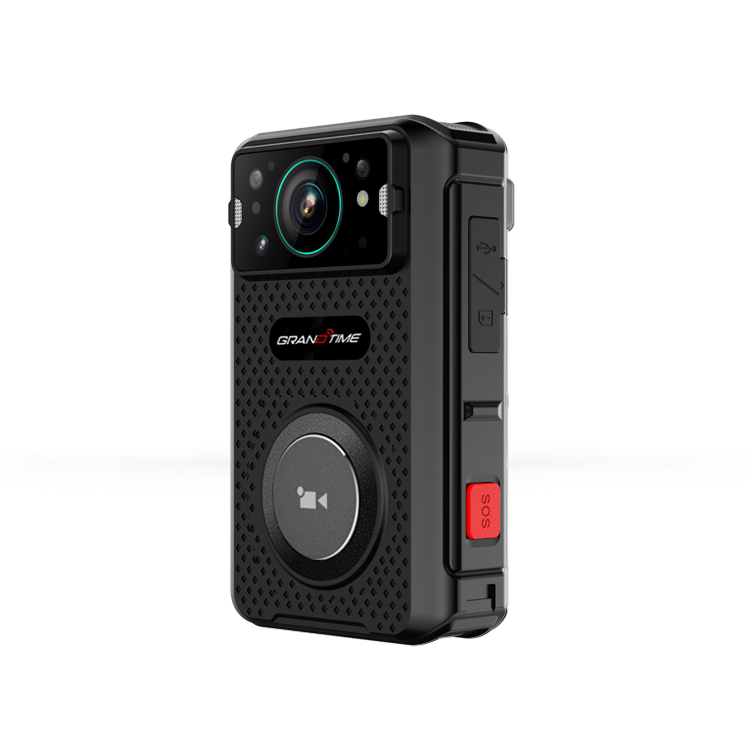
Grand Time develops advanced wearable recording and communication technology designed for public safety agencies and frontline operations.
The company focuses on:
- Intelligent body camera systems
- Wearable surveillance technology
- Real-time communication solutions
- Smart public safety ecosystems
- Secure evidence recording systems
Modern law enforcement agencies require durable and reliable equipment capable of supporting:
- Patrol operations
- Tactical missions
- Incident recording
- Emergency response
- Digital evidence management
Grand Time supports these operational needs through advanced:
- police recording devices
- officer body camera systems
- wearable police cameras
- body worn video systems
designed for demanding field environments.
Helpful Tips for Agencies Considering Body Cameras
Create Clear Policies
Strong operational policies are essential for successful deployment.
Invest in Secure Storage
Reliable evidence storage systems help protect sensitive footage.
Provide Officer Training
Proper training improves compliance and recording consistency.
Evaluate Long-Term Costs
Agencies should budget for storage, maintenance, and software updates.
Prioritize Privacy Protection
Departments should balance transparency with civil rights protections.
Final Words
The discussion surrounding police body cameras pros and cons will continue evolving as wearable recording technology becomes more advanced and widely adopted across the United States.
Body camera systems provide many important benefits, including improved accountability, stronger evidence collection, better officer protection, and enhanced public transparency. At the same time, agencies must carefully manage privacy concerns, legal compliance, operational policies, and long-term storage costs.
Modern law enforcement increasingly depends on connected digital technologies capable of supporting safer, smarter, and more transparent operations.
As wearable technology continues advancing, body camera systems will remain central tools for modern policing, public safety operations, and digital evidence management.
With intelligent wearable solutions designed for demanding operational environments, Grand Time continues supporting public safety agencies seeking reliable recording and communication technology for modern law enforcement operations.
Frequently Asked Questions
Why do police departments use body cameras?
Police departments use body cameras to improve accountability, evidence collection, officer safety, and public transparency.
What are the main advantages in police body cameras pros and cons discussions?
The biggest advantages include better evidence recording, improved transparency, stronger accountability, and enhanced officer protection.
What are the disadvantages of police body cameras?
Common disadvantages include privacy concerns, storage costs, legal compliance challenges, and operational management difficulties often mentioned in police body cameras pros and cons debates.
Are body cameras mandatory for all police departments?
Requirements vary by state and department policy. Many agencies are expanding deployment programs, but regulations differ across jurisdictions.
How is AI changing body camera technology?
AI technology helps automate video analysis, evidence tagging, facial recognition, and operational monitoring within modern body camera systems.