
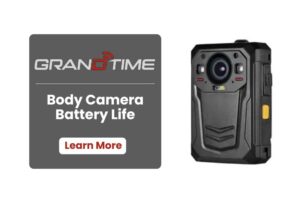
A body worn camera with GPS and LTE is an advanced wearable security device that combines high-definition video recording, real-time location tracking, and cellular connectivity into a single solution. These cameras are widely used by law enforcement agencies, private security firms, transportation companies, emergency responders, and industrial organizations that require reliable evidence collection and live communication.
Unlike traditional body cameras that only record footage for later review, LTE-enabled body cameras can transmit live video and GPS location data to a central command center, allowing supervisors to make faster and better-informed decisions.
What Is a Body Worn Camera with GPS and LTE?
A body worn camera with GPS and LTE is a wearable recording device equipped with:
- High-definition video recording
- Built-in GPS location tracking
- LTE/4G cellular connectivity
- Two-way communication capabilities
- Secure data storage and encryption
The combination of GPS and LTE enables real-time monitoring, making these cameras valuable for organizations that manage mobile personnel.
Why Businesses Are Choosing Body Worn Cameras with GPS and LTE
Organizations are increasingly investing in these devices because they improve operational efficiency, safety, and accountability.
Enhanced Officer and Worker Safety
Real-time GPS tracking allows supervisors to know the location of personnel during emergencies, enabling quicker assistance when needed.
Live Video Streaming
LTE connectivity allows footage to be transmitted directly to a command center, providing immediate situational awareness.
Better Incident Documentation
High-quality video serves as reliable evidence for investigations, insurance claims, and compliance reporting.
Improved Accountability
Recorded interactions promote professionalism and transparency while helping resolve disputes more effectively.
Key Features to Look For
When selecting a body worn camera with GPS and LTE, consider the following features:
HD or 4K Video Recording
Clear video quality ensures important details are captured accurately.
Built-in GPS Tracking
GPS records movement and location history, making it easier to reconstruct events.
LTE/4G Connectivity
Cellular connectivity enables:
- Live streaming
- Remote monitoring
- Instant data transmission
- Faster emergency response
Long Battery Life
A professional-grade camera should support extended shifts without frequent charging.
Night Vision
Infrared or low-light technology allows recording in dark environments while maintaining image quality.
Secure Encryption
End-to-end encryption protects sensitive video and location data from unauthorized access.
Large Storage Capacity
Internal storage combined with cloud synchronization helps manage large volumes of footage efficiently.
Industries That Use Body Worn Cameras with GPS and LTE
These devices are widely used across many sectors, including:
- Law enforcement agencies
- Private security companies
- Emergency medical services
- Transportation and logistics
- Construction and infrastructure projects
- Utility and field service teams
- Industrial safety departments
Each industry benefits from improved documentation, communication, and worker protection.
Benefits for Security Operations
Real-Time Decision Making
Live video enables command centers to assess situations instantly and coordinate responses more effectively.
Faster Emergency Response
GPS tracking helps dispatch support to the correct location without delay.
Reduced Operational Risks
Continuous recording encourages adherence to procedures and safety protocols.
Better Training
Recorded footage can be used to review incidents and improve employee training programs.
Stronger Evidence Management
Time-stamped and location-tagged recordings provide valuable documentation for investigations.
How to Choose the Right Supplier or Manufacturer
When evaluating suppliers, consider:
Product Reliability
Choose rugged devices designed for demanding environments.
Software Integration
Ensure compatibility with video management platforms, cloud storage, and evidence management systems.
Customization Options
OEM and ODM services are beneficial for distributors and private-label brands.
Technical Support
Reliable firmware updates and after-sales support are important for long-term performance.
Scalability
Select solutions that can support growing fleets of devices across multiple locations.
Future Trends
The next generation of body worn cameras is expected to include:
- AI-powered event detection
- 5G connectivity for faster streaming
- Cloud-native evidence management
- Facial and object recognition (where legally permitted)
- Automatic incident alerts based on analytics
- Integration with smart command center platforms
These advancements will further improve safety, efficiency, and operational visibility.
Conclusion
A body worn camera with GPS and LTE is more than a recording device—it is a complete real-time monitoring and communication solution. By combining high-definition video, location tracking, and cellular connectivity, these cameras help organizations enhance security, improve accountability, and respond more effectively to incidents.
Whether you are a security provider, government agency, or industrial organization, investing in a reliable body worn camera with GPS and LTE can strengthen both safety and operational performance.