
Introduction
Public safety agencies face increasing demands for transparency, accountability, and effective incident documentation. Whether responding to emergencies, conducting investigations, managing public events, or handling routine interactions, officers and first responders must have reliable tools that support their mission while protecting both personnel and the communities they serve.
One of the most valuable technologies adopted by modern public safety organizations is the body worn camera (BWC). These devices provide real-time video and audio recording capabilities, helping agencies capture accurate evidence, improve operational efficiency, and strengthen public trust.
A body worn camera for public safety agencies is specifically designed to meet the rigorous requirements of law enforcement, emergency medical services, fire departments, transportation authorities, campus security teams, and other public safety organizations. Equipped with advanced recording features, secure data management systems, and durable construction, these cameras have become an essential component of modern public safety operations.
What Is a Body Worn Camera?
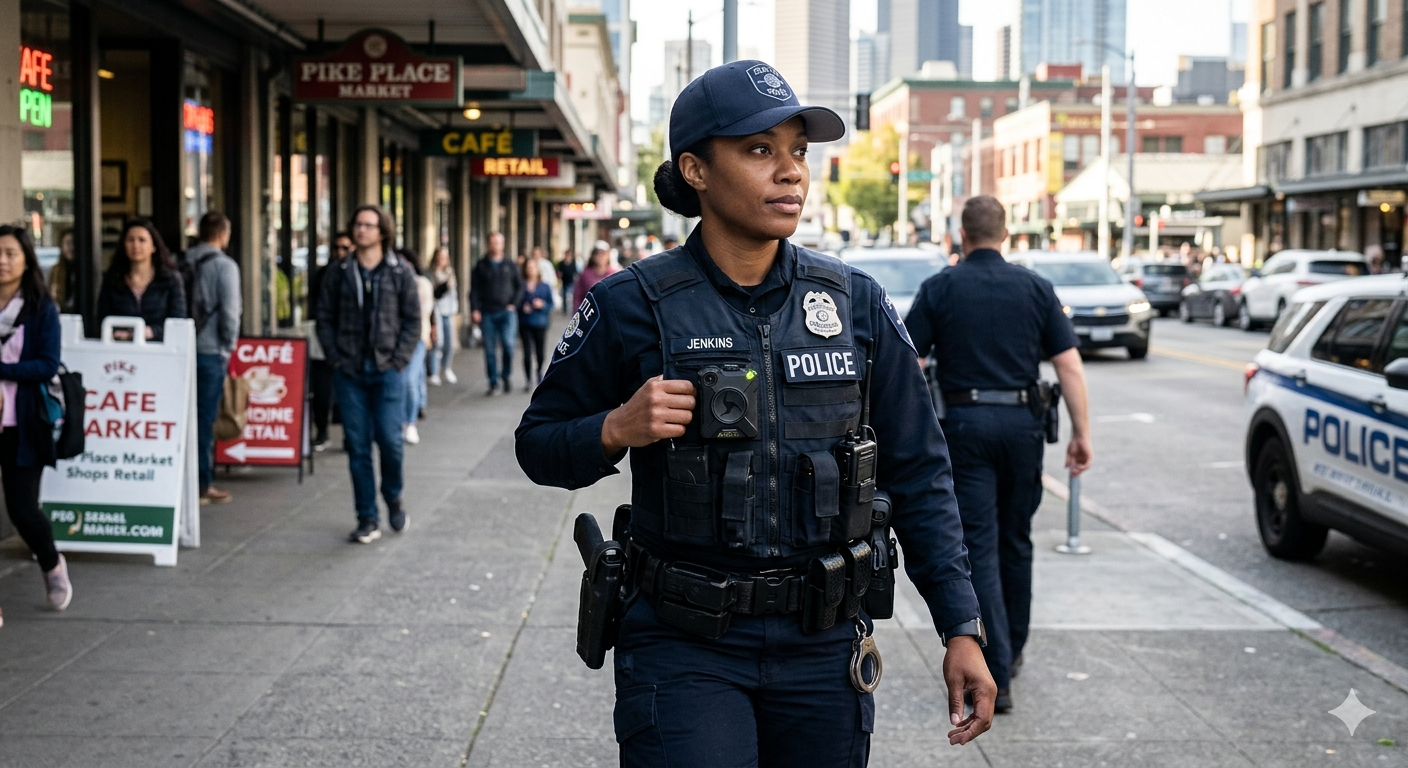
A body worn camera is a compact recording device attached to an officer’s uniform, vest, helmet, shoulder mount, or other equipment. The camera records interactions, incidents, and operational activities while personnel perform their duties.
Modern body cameras typically capture:
- High-definition video
- Audio recordings
- Still images
- GPS location data
- Event metadata
- Time and date stamps
These recordings create an objective record of events that can be used for investigations, evidence collection, training, and accountability purposes.
Why Public Safety Agencies Use Body Worn Cameras
Public safety organizations operate in dynamic and often high-risk environments where accurate documentation is critical.
Improved Transparency
Body cameras help demonstrate accountability by providing unbiased recordings of interactions between public safety personnel and the public.
Benefits include:
- Increased public confidence
- Improved community relations
- Greater transparency
- Reduced disputes regarding incidents
Reliable Evidence Collection
Video evidence often provides a clearer understanding of events than written reports alone.
Body camera footage can assist with:
- Criminal investigations
- Court proceedings
- Incident reviews
- Internal investigations
- Evidence preservation
Enhanced Officer Safety
Knowing that interactions are being recorded often encourages more professional behavior from all parties involved.
Body cameras can help:
- De-escalate conflicts
- Reduce aggressive behavior
- Protect officers from false allegations
- Improve situational awareness
Better Training Opportunities
Recorded footage provides valuable material for training and performance improvement.
Agencies can use footage to:
- Review response procedures
- Identify best practices
- Improve communication skills
- Enhance tactical decision-making
Key Features of Body Worn Cameras for Public Safety Agencies
High-Definition Video Recording
Professional-grade body cameras commonly support:
- 1080P Full HD recording
- 2K video resolution
- 4K Ultra HD recording
- Wide-angle lenses
- Image stabilization
High-quality footage ensures important details remain visible and usable.
Night Vision Capability
Many public safety operations occur during low-light or nighttime conditions.
Infrared night vision technology allows cameras to:
- Record in darkness
- Capture clear images at night
- Improve evidence quality
- Enhance officer effectiveness
Long Battery Life
Public safety personnel often work extended shifts.
Advanced body cameras offer:
- 8 to 15 hours of continuous recording
- Fast charging capabilities
- Extended standby time
- Power-saving modes
Reliable battery performance ensures uninterrupted operation throughout a shift.
GPS Tracking
Integrated GPS technology provides:
- Location verification
- Route tracking
- Incident mapping
- Enhanced accountability
GPS data can be critical during investigations and operational reviews.
Secure Data Encryption
Public safety agencies handle sensitive information that must remain protected.
Modern systems include:
- AES encryption
- Secure file transfer
- Access controls
- Password protection
- Audit logs
These features help maintain evidence integrity and regulatory compliance.
Live Streaming Capabilities
Advanced body cameras support real-time video transmission.
Benefits include:
- Improved command center visibility
- Faster emergency response
- Better incident management
- Enhanced officer support
Cloud-Based Evidence Management
Many agencies now use cloud storage solutions to simplify video management.
Advantages include:
- Centralized evidence storage
- Remote access
- Automatic backups
- Simplified file sharing
- Reduced IT infrastructure costs
Public Safety Sectors That Use Body Worn Cameras
Law Enforcement Agencies
Police departments are among the largest users of body camera technology.
Applications include:
- Patrol operations
- Traffic enforcement
- Criminal investigations
- Community policing
- Arrest documentation
Emergency Medical Services (EMS)
EMS personnel use body cameras to:
- Document emergency responses
- Improve patient care reviews
- Enhance training programs
- Support incident reporting
Fire Departments
Firefighters can use body cameras during:
- Emergency response operations
- Rescue missions
- Hazard assessments
- Training exercises
Campus Security
Educational institutions deploy body cameras to:
- Improve campus safety
- Document incidents
- Support investigations
- Enhance accountability
Transportation Authorities
Transit police and transportation security teams utilize body cameras for:
- Passenger safety
- Incident documentation
- Dispute resolution
- Security monitoring
Public Event Security
Body cameras assist personnel responsible for:
- Crowd management
- Event security
- Emergency response
- Public safety coordination
Benefits for Public Safety Agencies
Increased Accountability
Body camera footage provides an objective record of events, helping agencies maintain professional standards and public confidence.
Faster Investigations
Video evidence often reduces investigation times by providing immediate access to critical information.
Reduced Complaints
Many agencies report decreases in complaints against officers after implementing body camera programs.
Stronger Legal Protection
Video evidence can support legal proceedings and protect personnel from false accusations.
Improved Community Trust
Transparency helps strengthen relationships between public safety agencies and the communities they serve.
Enhanced Operational Efficiency
Recorded footage enables agencies to review incidents, improve procedures, and identify opportunities for improvement.
Important Considerations When Selecting Body Cameras
Durability
Public safety environments require equipment capable of withstanding:
- Drops and impacts
- Dust exposure
- Water exposure
- Extreme temperatures
Video Quality
Clear footage is essential for evidence collection and investigations.
Storage Capacity
Agencies should evaluate:
- Internal storage options
- Cloud storage availability
- Data retention requirements
- Evidence management capabilities
Security Features
Robust cybersecurity measures are essential for protecting sensitive recordings.
Ease of Use
Officers should be able to operate the device quickly and efficiently under stressful conditions.
Integration Capabilities
Modern body cameras should integrate with:
- Evidence management systems
- Dispatch software
- CCTV platforms
- Public safety networks
Future Trends in Public Safety Body Cameras
Artificial Intelligence
AI-powered features are expected to include:
- Automatic event tagging
- Facial recognition
- Object detection
- Smart search functions
5G Connectivity
Faster wireless networks will support:
- Real-time streaming
- Instant uploads
- Improved communication
Advanced Analytics
Future systems may provide:
- Predictive insights
- Behavioral analysis
- Automated reporting
- Operational intelligence
Unified Public Safety Platforms
Body cameras will increasingly connect with broader public safety ecosystems, creating more efficient workflows and better situational awareness.
Conclusion
Body worn cameras have become an indispensable tool for public safety agencies seeking to improve transparency, accountability, evidence collection, and officer safety. From law enforcement and emergency medical services to transportation security and fire departments, these devices provide valuable documentation that supports both operational effectiveness and public trust.
As technology continues to evolve, modern body worn camera systems will offer even greater capabilities through cloud-based evidence management, artificial intelligence, real-time communication, and advanced analytics. By investing in reliable body camera solutions, public safety agencies can strengthen their operations, protect personnel, and better serve their communities while maintaining the highest standards of professionalism and accountability.