


Body cameras look simple from the outside. They are small, clip onto a uniform or vest, and record video. But inside that small case is a lot of smart technology working together. If you have ever wondered how a body camera actually captures, stores, and protects footage, this guide breaks it down in plain terms.
What Is a Body Camera?
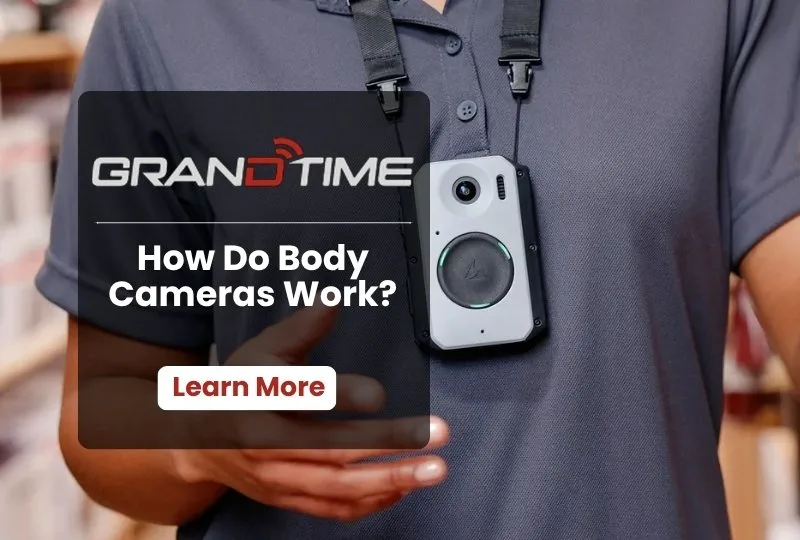
A body camera, often called a body-worn camera or BWC, is a small recording device worn on the chest, shoulder, or head. It is designed to capture video and audio during everyday duties, patrols, or field work. Police officers use them most often, but security guards, construction supervisors, transport staff, and energy workers rely on them too.
The goal is simple. Body cameras create a clear, unedited record of what happened during an interaction. This helps with training, safety, and accountability on both sides.
The Main Parts Inside a Body Camera
Every body camera relies on a few core components to function properly.
Lens and image sensor: This is the eye of the camera. Most modern body cameras record in 1080p or higher, so footage stays clear even when zoomed in later. A wide field of view helps capture more of the scene, not just what is directly in front of the wearer.
Microphone: Audio matters as much as video. The built-in microphone picks up conversations and nearby sounds, giving full context to whatever the camera records.
Battery: Body cameras need to last an entire shift, sometimes 8 to 12 hours or more. Battery life is one of the most important specs to check before buying, especially for long field days.
Internal storage: Footage is saved directly onto the device, usually on encrypted internal memory. This keeps files secure and prevents tampering while the camera is still in use.
Activation button: Most cameras do not record all the time. The wearer presses a button to start recording when an important moment begins. Some models also support auto-activation, where the camera starts recording on its own when triggered by motion, a holster release, or another connected sensor.
How Recording and Activation Work
Here is the basic sequence most body cameras follow:
- The camera stays in standby mode during regular duty.
- The wearer presses the record button, or an automatic trigger starts recording.
- The lens and microphone begin capturing video and audio at the same time.
- A timestamp and often GPS location data are attached to the footage as it records.
- Once recording stops, the file is saved to internal storage.
Many cameras also include a buffer feature. This means the device is quietly holding a short loop of recent video in memory even before the button is pressed. If the wearer activates the camera a few seconds later, that buffered footage can still be included, so nothing important gets missed.
How Footage Gets Stored and Uploaded
After a shift ends, footage needs to move from the camera to a secure system where it can be reviewed and stored long term. This usually happens through a docking station. The wearer places the camera in a dock, which charges the battery and automatically uploads the video to a secure server or cloud platform.
This step matters for chain of custody. Because uploads happen automatically and files cannot be edited or deleted from the camera itself, the footage stays reliable as evidence. If you are managing a fleet of cameras across a team, a solid docking system makes daily uploads fast and consistent. Grandcam Solutions offers docking stations with multiple ports built for exactly this kind of daily fleet charging and upload.
Extra Features Found in Modern Body Cameras
Body camera technology has moved past basic recording. Many current models include:
- 4G or 5G connectivity for live streaming footage back to a command center
- GPS tracking so location data is attached to every recording
- Night vision or low-light sensors for clear footage after dark
- IP-rated casings that resist water, dust, and drops
- AI-assisted features like automatic tagging or object detection
These additions turn a body camera from a simple recorder into a real-time situational-awareness tool, which is especially useful in law enforcement, construction-site monitoring, and energy-sector inspections.
Why Body Cameras Matter
Body cameras protect both the wearer and the public. They provide a factual record that reduces disputes over what happened during an incident. They also encourage more professional conduct on both sides, since everyone knows the interaction is being recorded.
Beyond law enforcement, industries like construction and public transport use body cameras for safety documentation, incident review, and staff training. As the technology gets smaller, more affordable, and more reliable, adoption keeps growing across new fields.
If you are exploring body-worn cameras for your team, Grandcam Solutions builds a range of models designed for durability and long shift use, worth a look if you want hardware built for field conditions rather than office use.
Final Thoughts
At its core, a body camera is a straightforward device. It captures video and audio, stores it securely, and hands it off for safekeeping once the shift ends. The real value comes from how well each part works together, from battery life to storage security to upload speed. Understanding these basics makes it much easier to choose the right camera for your team’s needs.