



Helmets used to have one job: protect your head. That is no longer the whole story. A new generation of headgear now comes packed with sensors, cameras, and wireless connectivity. This new collection is called the smart helmet, and it is changing how riders, workers, and even first responders stay safe on the job.
If you have seen the term online and wondered what it actually means, let’s learn all about it.😊
About Smart Helmet
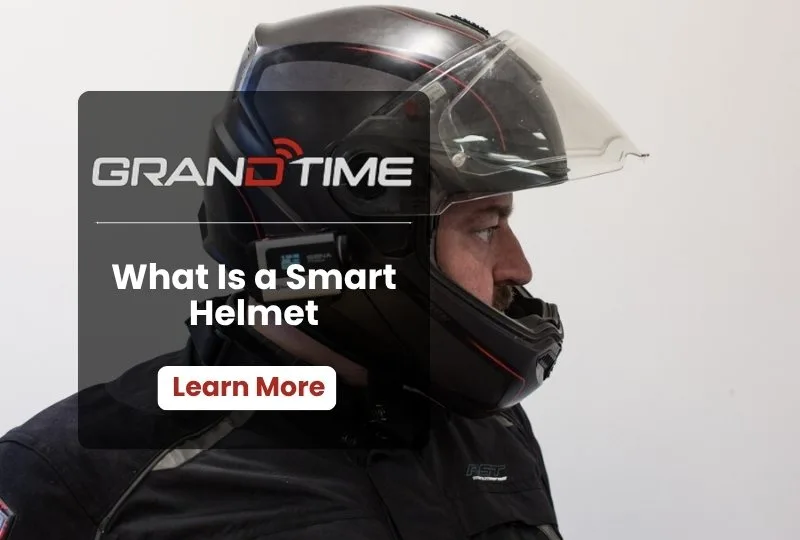
A smart helmet is a traditional helmet upgraded with electronic components. Instead of offering only physical protection, it adds features like Bluetooth connectivity, built-in cameras, voice commands, and real-time data tracking. Think of it as a helmet that has merged with a wearable device.
At its core, a smart helmet still meets standard safety requirements for impact protection. The difference is what sits inside the shell. Sensors, communication modules, and sometimes a small display work together to give the wearer more awareness of their surroundings and more ways to stay connected.
This idea is not limited to motorcycles anymore. Smart helmets are now used in construction, mining, logistics, public safety, and industrial environments where hands-free safety monitoring makes a real difference.
How Does a Smart Helmet Work?
Most smart helmets rely on a combination of hardware and software working together in real time. Here is a simple breakdown of that process.
- Sensors collect data such as motion, temperature, gas levels, or impact force.
- A processor inside the helmet interprets that data instantly.
- The helmet sends alerts to the wearer through sound, vibration, or a visual display.
- Some helmets sync with a mobile app or a central dashboard so supervisors or riders can track conditions remotely.
This setup allows a smart helmet to do far more than absorb impact. It becomes a communication and monitoring tool that reacts to the environment around the wearer.
Key Features of Smart Helmets
Not every smart helmet includes the same technology, but most share a set of common features.
Bluetooth connectivity
This allows the helmet to pair with a smartphone for hands-free calls, music, or voice navigation without removing gloves or reaching for a device.
Built-in cameras
Many smart helmets include a front-facing or smart helmet-mounted camera. This is useful for riders documenting their trips, workers recording site conditions, and safety teams reviewing incidents after the fact.
Augmented reality displays
Some models project data like speed, navigation, or warnings directly onto the visor. This is often called a heads-up display, and it keeps the wearer’s eyes on the road or task instead of on a phone screen.
Impact and crash detection
Built-in accelerometers can detect a sudden fall or collision and automatically send an alert to emergency contacts or a safety team.
Environmental sensors
In industrial settings, smart helmets often include gas detectors, temperature sensors, or noise monitors to flag hazardous conditions before they become dangerous.
Health and fatigue monitoring
Some helmets track vital signs like heart rate or detect signs of fatigue, which is especially valuable for long shifts in construction, mining, or transportation.
GPS and location tracking
This helps teams monitor where workers or riders are, which is useful for coordination, dispatch, and emergency response.
Who Uses Smart Helmets?
Smart helmets have moved well beyond motorcycle riders. A few common use cases include:
- Construction and industrial teams, who use them to monitor hazards, track fatigue, and improve on-site communication.
- Mining operations, where gas and temperature sensors help detect dangerous conditions early.
- Law enforcement and public safety, where built-in cameras support documentation and accountability during field operations.
- Public transport and logistics workers, who benefit from real-time communication and situational awareness during long shifts.
- Motorcyclists and cyclists, who use smart helmets for navigation, hands-free calls, and crash alerts.
This is also where the line between a smart helmet and a smart body-worn camera starts to blur. For frontline teams, Grandcam Solutions builds helmet cameras and body-worn camera systems designed for exactly these environments, giving construction, energy, and public safety teams reliable documentation and communication in the field.
Smart Helmet vs Traditional Helmet
The easiest way to understand the difference is to compare what each one is built to do.
A traditional helmet is designed purely for impact protection. It has no electronics, no connectivity, and no data capabilities. Its only job is to absorb force during a fall or collision.
A smart helmet keeps that same protective structure but adds a layer of technology on top. It can record footage, track vitals, detect hazards, and communicate wirelessly, all while still meeting safety certification standards for head protection.
In short, a smart helmet does not replace safety. It adds intelligence to it.
Are Smart Helmets Worth It?
For many industries, the answer is increasingly yes. The upfront cost is higher than a standard helmet, and battery life or maintenance can require extra attention. But the benefits often outweigh those tradeoffs, especially in high-risk environments.
Real-time hazard alerts can prevent accidents before they happen. Built-in cameras create accountability and documentation that protect both workers and employers. Health monitoring can catch fatigue or heat stress before it becomes a serious problem.
For everyday riders, the value comes down to convenience and safety features like crash detection and hands-free communication. For industrial and public safety teams, smart helmets are becoming less of a luxury and more of a standard safety tool.
Final Thoughts
A smart helmet takes something familiar, the humble protective helmet, and turns it into a connected safety device. Whether it is used on a construction site, in a mine, or on a motorcycle, the goal stays the same: give the wearer more awareness, more protection, and more ways to respond quickly when something goes wrong.
As sensor technology gets smaller and more affordable, expect smart helmets to become a standard part of protective gear across more industries in the years ahead.