


Introduction
In today’s rapidly evolving security landscape, body worn cameras have become an essential tool for law enforcement agencies, security companies, transportation authorities, emergency responders, and private organizations. Among the most sought-after features in modern body cameras is night vision capability, allowing users to capture clear video evidence even in low-light and completely dark environments.
Choosing a reliable body worn camera with night vision manufacturer is crucial for organizations seeking durable, high-performance, and technologically advanced recording solutions. A professional manufacturer not only provides cutting-edge camera technology but also ensures compliance with industry standards, data security requirements, and long-term operational reliability.
This comprehensive guide explores the importance of body worn cameras with night vision, key features to consider, manufacturing standards, industry applications, and how to select the right manufacturer for your organization.
What Is a Body Worn Camera with Night Vision?
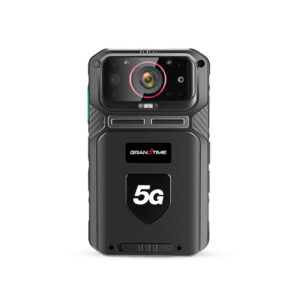
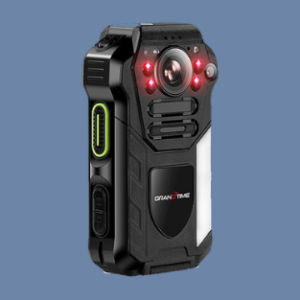
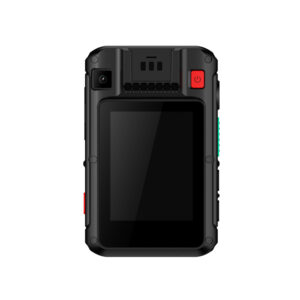
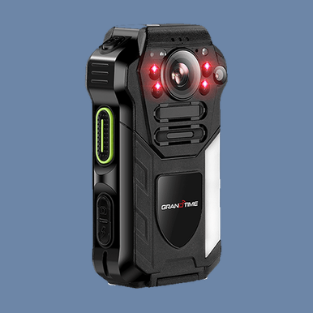
A body worn camera with night vision is a compact recording device designed to be attached to a user’s uniform, clothing, helmet, or equipment. The camera continuously or selectively records video, audio, and images while the user performs their duties.
Night vision technology enables the camera to capture high-quality footage in low-light conditions using:
- Infrared (IR) LEDs
- Low-light image sensors
- Wide dynamic range technology
- Advanced image processing algorithms
- Enhanced light sensitivity features
These capabilities ensure reliable evidence collection regardless of environmental lighting conditions.
Why Night Vision Is Essential in Body Worn Cameras
Many security incidents occur during nighttime or in poorly illuminated environments. Standard cameras often struggle to capture useful footage under these conditions.
Night vision body cameras provide several advantages:
Enhanced Evidence Collection
Clear nighttime recordings help investigators accurately review incidents and identify suspects, vehicles, and events.
Improved Officer Safety
Security personnel and law enforcement officers can operate confidently knowing their actions and surroundings are being recorded clearly.
Better Accountability
Night vision footage increases transparency and accountability by providing unbiased visual records during nighttime operations.
Crime Prevention
The visible presence of body worn cameras often discourages criminal activity and promotes positive interactions.
Superior Operational Efficiency
Organizations can rely on accurate recordings when resolving disputes, conducting investigations, and reviewing incidents.
Key Features Offered by Leading Body Worn Camera Manufacturers
When evaluating a body worn camera with night vision manufacturer, it is important to consider the technical capabilities of their products.
High-Definition Video Recording
Modern body cameras commonly support:
- 1080P Full HD
- 2K Resolution
- 4K Ultra HD
- Wide-angle lenses
- High frame rates
Higher resolution ensures better detail and evidence quality.
Infrared Night Vision Technology
Advanced infrared systems enable clear visibility even in complete darkness.
Benefits include:
- Long-distance night recording
- Automatic IR activation
- Improved image clarity
- Reduced motion blur
- Enhanced facial recognition capabilities
Large Storage Capacity
Professional body cameras feature:
- 64GB internal storage
- 128GB storage options
- 256GB storage capacity
- Secure encrypted memory
Large storage capacity allows extended recording periods without interruption.
Long Battery Life
Reliable manufacturers design devices with extended battery performance.
Features include:
- 8–15 hours of continuous recording
- Fast charging technology
- Replaceable batteries
- Power-saving modes
GPS Tracking
Integrated GPS modules provide:
- Location verification
- Route tracking
- Incident mapping
- Real-time monitoring
GPS data enhances evidence integrity and operational oversight.
Wi-Fi and 4G/5G Connectivity
Modern body worn cameras support wireless communication for:
- Live streaming
- Remote monitoring
- Instant evidence upload
- Cloud synchronization
These features improve response times and operational efficiency.
Data Encryption and Security
Security-focused manufacturers prioritize data protection through:
- AES encryption
- Secure evidence management
- Password protection
- User authentication
- Chain-of-custody controls
This ensures compliance with privacy regulations and legal requirements.
Manufacturing Standards for Body Worn Cameras
A reputable body worn camera manufacturer follows strict quality control procedures and international standards.
ISO Certification
ISO-certified manufacturers demonstrate consistent product quality and process management.
Common certifications include:
- ISO 9001
- ISO 14001
- ISO 45001
CE Compliance
CE certification confirms compliance with European safety and performance regulations.
FCC Certification
FCC approval ensures devices meet communication and electromagnetic standards.
RoHS Compliance
RoHS certification verifies that products are manufactured using environmentally responsible materials.
Military-Grade Durability
Premium body cameras often meet military durability standards including:
- Shock resistance
- Dust protection
- Water resistance
- Extreme temperature operation
Industries That Use Night Vision Body Worn Cameras
Law Enforcement
Police departments utilize body cameras for:
- Evidence gathering
- Traffic stops
- Patrol operations
- Criminal investigations
- Public accountability
Private Security
Security companies deploy body cameras to:
- Protect personnel
- Document incidents
- Improve accountability
- Reduce liability risks
Transportation Services
Transportation authorities use body cameras for:
- Passenger safety
- Driver protection
- Incident documentation
- Security monitoring
Emergency Medical Services
Medical responders benefit from body cameras during:
- Emergency response operations
- Patient interactions
- Incident reporting
- Training activities
Military and Defense
Military personnel rely on body cameras for:
- Tactical operations
- Mission recording
- Intelligence collection
- Training assessments
Industrial and Construction Sites
Body cameras improve workplace safety through:
- Hazard documentation
- Compliance monitoring
- Incident investigation
- Worker accountability
Benefits of Partnering with an Experienced Manufacturer
Selecting an experienced body worn camera with night vision manufacturer offers several advantages.
Customization Options
Manufacturers can provide:
- Private labeling
- OEM solutions
- ODM development
- Custom firmware
- Specialized accessories
Technical Support
Reliable manufacturers offer:
- Product training
- Software assistance
- Maintenance services
- Firmware updates
Scalable Production Capacity
Large-scale manufacturing capabilities ensure timely delivery for:
- Government contracts
- Security agencies
- International distributors
- Enterprise deployments
Research and Development
Innovative manufacturers continuously improve:
- Image quality
- Battery performance
- AI integration
- Connectivity features
- Evidence management systems
Emerging Trends in Body Worn Camera Technology
The body camera industry continues to evolve rapidly.
Artificial Intelligence
AI-powered systems can assist with:
- Facial recognition
- Object detection
- Event classification
- Automated reporting
Cloud-Based Evidence Management
Cloud platforms simplify:
- Video storage
- Evidence retrieval
- Sharing permissions
- Long-term archiving
Real-Time Streaming
Live video transmission enables command centers to monitor incidents as they occur.
Smart Analytics
Advanced analytics help organizations:
- Identify trends
- Improve training
- Enhance security operations
- Reduce operational risks
Integration with Security Ecosystems
Modern body cameras integrate seamlessly with:
- CCTV systems
- Access control platforms
- Dispatch software
- Incident management systems
How to Choose the Best Body Worn Camera with Night Vision Manufacturer
Before selecting a manufacturer, evaluate the following factors:
Product Quality
Review:
- Video performance
- Night vision capability
- Durability
- Battery life
Manufacturing Experience
Choose companies with proven expertise and successful deployments across multiple industries.
Certifications
Verify compliance with international quality and safety standards.
Customer Support
Reliable support ensures long-term success and minimal operational disruption.
Software Ecosystem
Evaluate available:
- Evidence management platforms
- Cloud solutions
- Mobile applications
- Integration capabilities
Customization Capabilities
OEM and ODM services can help organizations create tailored solutions that meet specific operational requirements.
Conclusion
The demand for body worn cameras with night vision continues to grow across law enforcement, security, transportation, healthcare, and industrial sectors. Organizations require dependable devices capable of capturing clear and accurate footage regardless of lighting conditions.
Partnering with a trusted body worn camera with night vision manufacturer ensures access to advanced technology, durable hardware, secure data management, and ongoing support. By selecting a manufacturer with strong quality standards, innovative product development, and proven industry experience, organizations can improve safety, accountability, and operational efficiency while maintaining reliable evidence collection capabilities.
As technology continues to advance, body worn cameras equipped with enhanced night vision, artificial intelligence, cloud connectivity, and real-time monitoring will play an increasingly important role in modern security and surveillance operations worldwide.