

Introduction
The demand for law enforcement body cameras for sale has increased dramatically over the past decade as police departments, sheriff’s offices, federal agencies, campus security teams, and public safety organizations continue to prioritize transparency, accountability, and evidence collection. Body-worn cameras have evolved from optional equipment into an essential technology that supports modern policing strategies and improves interactions between officers and the communities they serve.
Today’s law enforcement agencies face increasing pressure to document incidents accurately, maintain public trust, and provide reliable evidence during investigations. Body cameras help meet these objectives by capturing real-time audio and video footage of officer interactions, traffic stops, arrests, emergency responses, and critical incidents. The recorded footage often becomes a valuable source of evidence that can be used in criminal prosecutions, internal investigations, officer training programs, and public records requests.
For procurement managers and decision-makers, selecting the right body camera system involves much more than comparing hardware specifications. Agencies must consider video quality, battery performance, data security, evidence management capabilities, compliance requirements, integration options, and long-term operational costs. A poorly selected solution can create storage challenges, increase administrative burdens, and limit the effectiveness of the body camera program.
This comprehensive guide explores everything organizations need to know when evaluating law enforcement body cameras for sale, including key features, benefits, purchasing considerations, implementation strategies, and emerging industry trends.
Understanding Law Enforcement Body Cameras
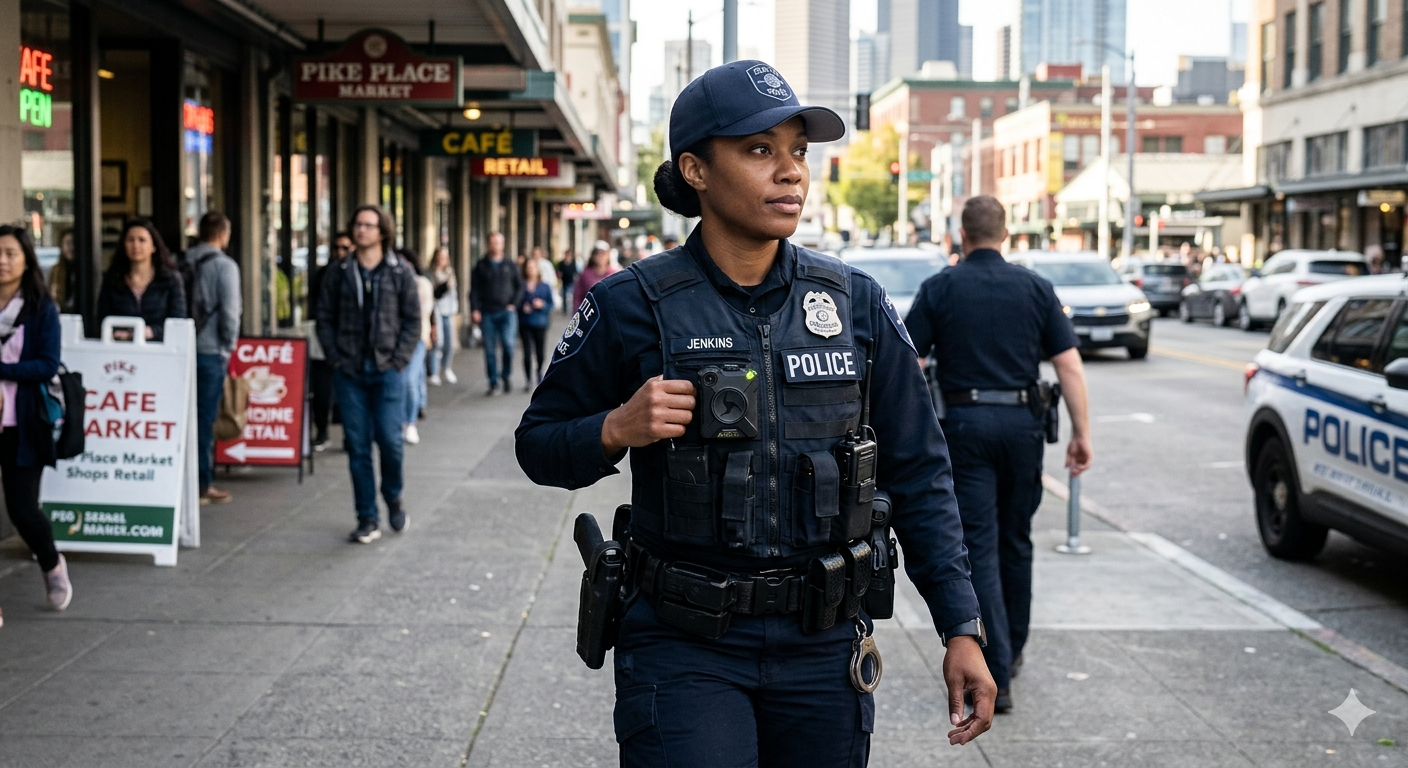
Law enforcement body cameras are wearable recording devices designed specifically for police officers and public safety personnel. Typically attached to an officer’s uniform, vest, shoulder, or chest area, these cameras continuously or selectively record video and audio throughout a shift.
Unlike consumer-grade cameras, law enforcement body cameras are engineered to withstand harsh environments while maintaining secure evidence collection capabilities. Most professional systems include advanced encryption, cloud connectivity, GPS tracking, automated uploads, and digital evidence management tools.
Modern body camera programs generally consist of three primary components:
Body-Worn Camera Hardware
The physical device worn by officers records high-definition video and audio. These devices often feature rugged designs, weather resistance, long battery life, and secure storage capabilities.
Evidence Management Software
Evidence management platforms help agencies organize, categorize, search, store, and retrieve recorded footage efficiently. These systems often include role-based permissions and audit logs to maintain chain-of-custody requirements.
Storage Infrastructure
Video files require secure storage solutions that comply with departmental policies and legal requirements. Agencies may choose cloud storage, local servers, or hybrid solutions depending on operational needs.
Together, these components create a complete ecosystem that supports transparency, accountability, and efficient evidence management.
Why Police Departments Are Investing in Body Camera Technology
The widespread adoption of body-worn cameras is driven by numerous operational, legal, and community-related benefits.
One of the most significant advantages is the ability to create an objective record of events. During high-stress situations, witness accounts can differ substantially. Body camera footage provides visual and audio documentation that can help investigators reconstruct incidents accurately.
Many departments have also reported improvements in officer behavior and public conduct. The knowledge that interactions are being recorded often encourages professionalism from both officers and citizens. This can reduce confrontations and improve overall communication during encounters.
Body cameras also support public accountability initiatives. Community members increasingly expect transparency from law enforcement agencies, and body camera programs demonstrate a commitment to openness and responsible policing.
From a legal standpoint, recorded footage can help resolve disputes, support criminal prosecutions, and protect officers from false accusations. Video evidence frequently provides critical context that written reports alone cannot capture.
In addition, agencies often use body camera footage as a valuable training resource. Supervisors can review recordings to identify best practices, improve tactical decision-making, and reinforce departmental policies.
Key Features to Look for When Purchasing Law Enforcement Body Cameras
Choosing the right body camera system requires careful evaluation of several important features.
High-Definition Video Recording
Video quality directly impacts the usefulness of recorded evidence. Poor-quality footage may fail to capture important details needed during investigations or court proceedings.
Modern law enforcement body cameras typically offer:
- Full HD 1080p recording
- 2K video resolution
- 4K ultra-high-definition recording
- Wide-angle lenses
- Image stabilization
- Enhanced low-light performance
Higher-resolution recordings provide greater clarity when identifying suspects, reading license plates, or reviewing incident details.
However, agencies must balance image quality with storage requirements. Higher-resolution files consume more storage space and may increase long-term data management costs.
Extended Battery Life
Law enforcement officers frequently work shifts ranging from eight to twelve hours or more. A body camera that cannot operate throughout the entire shift may leave critical incidents undocumented.
Modern body cameras often provide:
- 10-14 hours of continuous recording
- Extended standby capabilities
- Fast charging technology
- Replaceable battery options
Reliable battery performance is especially important for patrol officers, traffic enforcement units, and specialized response teams operating in demanding environments.
Departments should carefully evaluate battery specifications under real-world operating conditions rather than relying solely on manufacturer claims.
Secure Data Encryption
Data security is one of the most critical considerations when purchasing body camera systems.
Recorded footage may contain sensitive information related to:
- Criminal investigations
- Victim statements
- Juvenile interactions
- Medical emergencies
- Confidential law enforcement operations
Professional-grade body cameras use advanced encryption technologies to protect footage from unauthorized access, tampering, or data breaches.
Secure encryption helps agencies maintain compliance with CJIS requirements and other regulatory standards governing criminal justice information.
GPS and Location Tracking
Many modern body cameras include integrated GPS technology that records officer location data alongside video footage.
GPS functionality provides several operational benefits:
- Officer location tracking
- Incident reconstruction
- Dispatch coordination
- Search and rescue support
- Evidence verification
Location data can be particularly valuable during large-scale events, emergency situations, and investigations involving multiple responding officers.
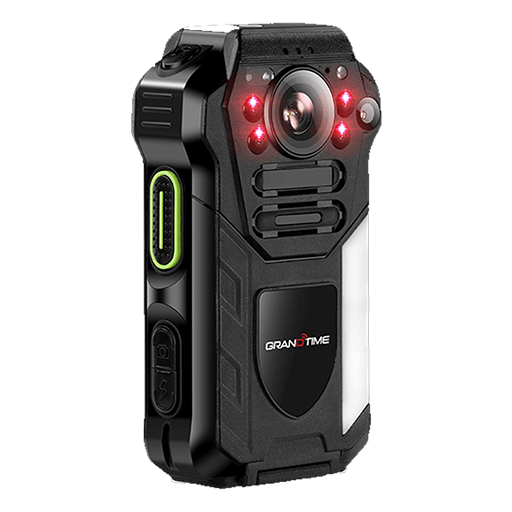
Night Vision and Low-Light Recording
A significant portion of law enforcement activity occurs during evening and overnight hours. Standard cameras may struggle to capture usable footage in low-light conditions.
Advanced body cameras often include:
- Infrared night vision
- Enhanced low-light sensors
- Automatic exposure adjustment
- Wide dynamic range technology
These features improve recording quality during nighttime traffic stops, building searches, and outdoor patrol operations.
Clear nighttime footage can be essential for identifying suspects and preserving evidence during investigations.
Benefits of Body-Worn Cameras for Law Enforcement Agencies
Enhanced Transparency
Transparency remains one of the primary reasons agencies invest in body camera technology.
When interactions between officers and the public are documented, agencies can provide objective evidence regarding incidents and complaints. This transparency helps build community confidence while demonstrating accountability.
Citizens are often more likely to trust law enforcement agencies that openly embrace technologies designed to document officer interactions.
Body camera programs also help agencies respond effectively to public records requests and media inquiries following critical incidents.
Improved Evidence Collection
Body cameras provide a reliable method for collecting and preserving evidence.
Unlike written reports, video footage captures:
- Visual observations
- Verbal statements
- Environmental conditions
- Suspect behavior
- Officer actions
This evidence can significantly strengthen criminal cases and support investigative efforts.
Prosecutors frequently rely on body camera footage when preparing cases for court. Video evidence often provides a level of detail that cannot be replicated through written documentation alone.
In many cases, footage can lead to faster case resolutions, plea agreements, and reduced court disputes.
Reduced Complaints and Liability
Many agencies have reported measurable reductions in citizen complaints after implementing body camera programs.
Recorded footage allows supervisors to quickly review allegations and determine whether complaints are substantiated. This can reduce investigation costs while protecting officers from unfounded accusations.
Additionally, body camera footage can help reduce liability expenses associated with lawsuits and misconduct claims.
When video evidence clearly documents events, legal disputes can often be resolved more efficiently.
Better Officer Performance
Body cameras can positively influence officer performance by encouraging adherence to departmental policies and professional standards.
Supervisors can use footage to:
- Evaluate field performance
- Identify training opportunities
- Reinforce policy compliance
- Improve communication skills
Many officers also appreciate the protection that body cameras provide when responding to complaints or legal challenges.
The presence of objective evidence benefits both agencies and personnel alike.