


Introduction
The demand for police body cameras continues to grow across the United States as law enforcement agencies seek greater transparency, officer accountability, evidence management, and public trust. As adoption increases, procurement teams, distributors, and government contractors are actively searching for reliable manufacturers of police body cameras that can provide high-quality products, customization options, regulatory compliance, and long-term support.
Choosing the right body camera manufacturer is about more than selecting hardware. Buyers must evaluate manufacturing capabilities, video quality, data security, certifications, software integration, durability, and total cost of ownership.
This guide explains everything B2B buyers need to know when evaluating manufacturers of police body cameras, including key features, supplier selection criteria, pricing factors, customization opportunities, and industry trends.
Why Police Body Cameras Are Essential for Modern Law Enforcement
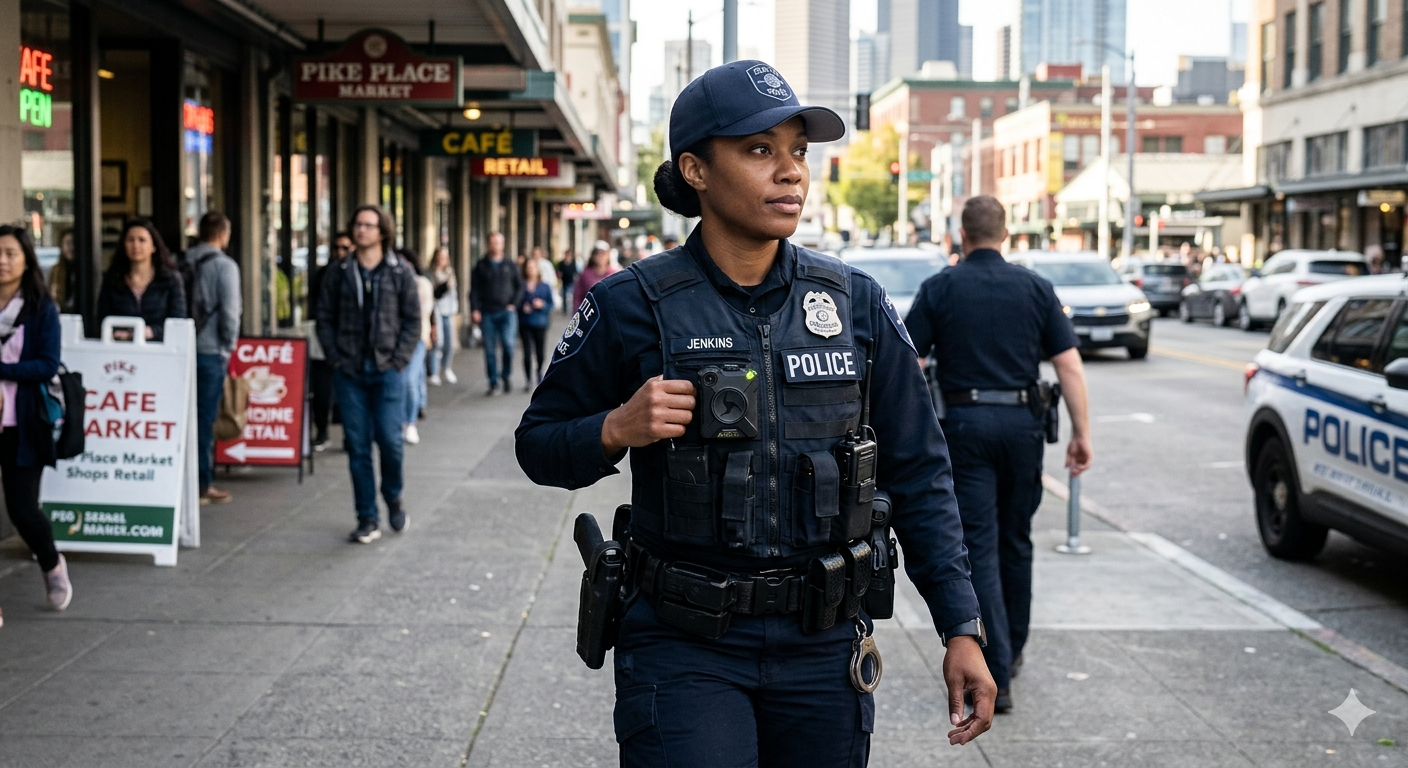
Police body cameras have become a critical tool for law enforcement agencies throughout the United States.
Key benefits include:
- Improved officer accountability
- Enhanced public transparency
- Reliable evidence collection
- Faster case resolution
- Reduced complaint investigations
- Better officer training opportunities
- Increased public confidence
For agencies, body cameras are no longer optional technology but a core component of modern policing strategies.
What Do Police Body Camera Manufacturers Provide?
Professional manufacturers of police body cameras typically offer more than camera hardware.
Their solutions often include:
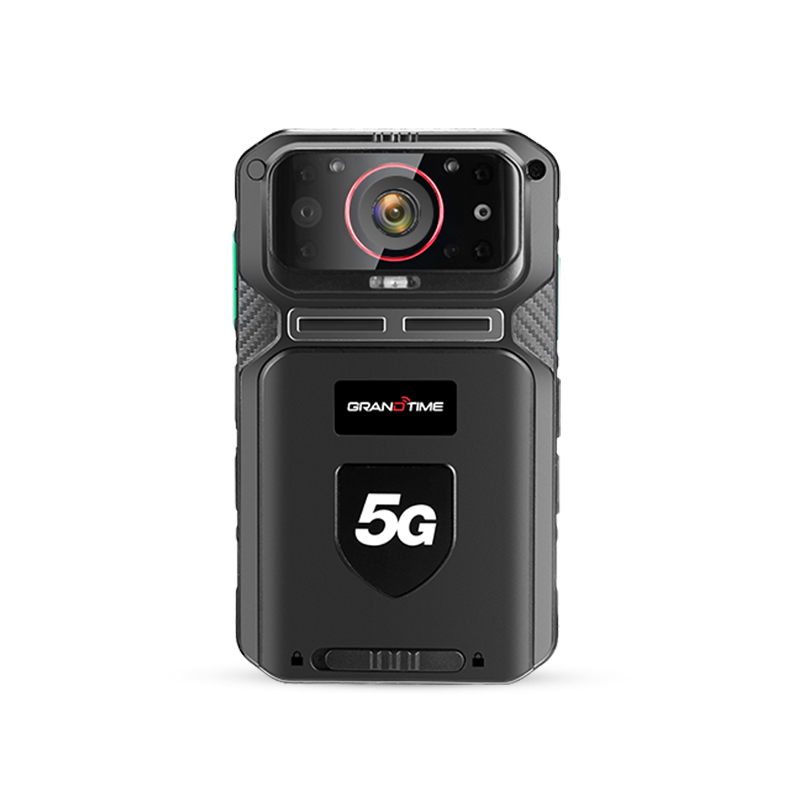
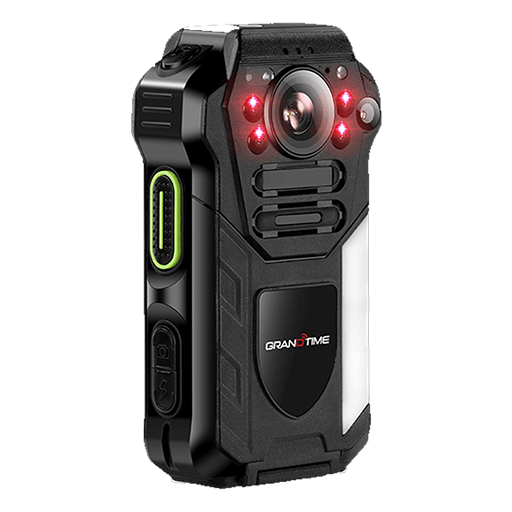
Body Camera Devices
Portable recording devices worn on uniforms, tactical vests, or shoulder mounts.
Docking Stations
Used for charging, uploading footage, and managing multiple devices.
Evidence Management Software
Platforms that store, organize, and retrieve recorded evidence.
Cloud Storage Solutions
Secure cloud-based systems for video storage and sharing.
Accessories
- Mounting clips
- Vehicle chargers
- Batteries
- External microphones
- Carrying cases
Technical Support
- Software updates
- Warranty services
- Training programs
- Deployment assistance
Key Features to Look for When Evaluating Police Body Camera Manufacturers
Not all body camera suppliers offer the same capabilities.
1. High-Definition Video Recording
Look for:
- 1080P Full HD minimum
- 2K or 4K recording options
- Wide-angle lenses
- Low-light optimization
Higher video quality improves evidence reliability and courtroom usability.
2. Long Battery Life
Police officers often work extended shifts.
Recommended specifications:
- 10–15 hours continuous recording
- Replaceable battery options
- Fast charging support
3. Rugged Durability
Law enforcement equipment must withstand challenging environments.
Important ratings include:
- IP67 waterproof protection
- Shock resistance
- Dust resistance
- Extreme temperature tolerance
4. Secure Data Encryption
Evidence security is a major procurement concern.
Manufacturers should provide:
- AES encryption
- Secure file transfer
- User access controls
- Chain-of-custody tracking
5. GPS Tracking
GPS capabilities help agencies:
- Verify officer locations
- Improve incident documentation
- Strengthen evidence records
6. Automatic Recording Triggers
Advanced body cameras may automatically activate when:
- Patrol vehicle lights turn on
- Firearms are drawn
- Emergency events occur
These features reduce human error and improve evidence capture.
Manufacturing Capabilities That Matter to B2B Buyers
When comparing manufacturers of police body cameras, production capabilities often determine long-term success.
OEM Manufacturing
OEM services allow buyers to sell products under their own brand.
Benefits include:
- Brand ownership
- Market differentiation
- Better profit margins
ODM Manufacturing
ODM manufacturers provide:
- Product development
- Engineering support
- Hardware customization
Ideal for distributors entering the body camera market quickly.
Private Label Solutions
Private labeling enables:
- Custom logos
- Customized packaging
- User manuals
- Marketing materials
This option is popular among security equipment distributors.
Quality Standards and Certifications
Reliable manufacturers should meet recognized quality standards.
ISO 9001
Ensures consistent quality management processes.
FCC Certification
Required for electronic products sold in the United States.
CE Certification
Demonstrates compliance with international safety standards.
RoHS Compliance
Confirms environmentally responsible manufacturing practices.
MIL-STD Testing
Military-grade durability testing indicates superior reliability.
Before placing large orders, buyers should request certification documentation.
Customization Options Offered by Leading Manufacturers
Many law enforcement agencies have unique operational requirements.
Top manufacturers provide:
Hardware Customization
- Camera housing colors
- Button configurations
- Lens options
- Storage capacities
Software Customization
- Agency-specific interfaces
- Evidence workflows
- User permissions
Branding Customization
- Custom logos
- Packaging design
- Product labeling
Customization is particularly valuable for distributors and government contractors.
Pricing Factors for Police Body Cameras
One of the most common procurement questions concerns pricing.
Several factors influence costs.
| Factor | Impact on Price |
|---|---|
| Video Resolution | Higher resolution increases cost |
| Storage Capacity | More storage raises pricing |
| Battery Performance | Longer battery life costs more |
| Software Integration | Advanced platforms increase investment |
| Cloud Storage | Subscription fees may apply |
| Customization | Private labeling adds cost |
| Order Quantity | Larger orders reduce unit price |
Typical B2B Pricing Range
- Entry-level models: $80–$150 per unit
- Mid-range models: $150–$300 per unit
- Enterprise models: $300–$800+ per unit
Actual pricing depends on specifications, software requirements, and order volume.
MOQ Considerations When Sourcing Body Cameras
Minimum Order Quantity (MOQ) varies significantly among manufacturers.
Typical ranges include:
- Small OEM orders: 50–100 units
- Standard distributor orders: 200–500 units
- Large government projects: 1,000+ units
Buyers should negotiate MOQs when testing new suppliers.
How to Evaluate a Police Body Camera Manufacturer
Follow this structured evaluation process.
Step 1: Verify Certifications
Request:
- ISO certificates
- FCC reports
- Product testing documentation
Step 2: Review Manufacturing Capacity
Determine:
- Monthly output
- Lead times
- Scalability
Step 3: Request Product Samples
Evaluate:
- Video quality
- Battery performance
- User experience
Step 4: Assess Software Platform
Verify:
- Evidence management
- Cloud integration
- Security protocols
Step 5: Review Warranty Terms
Strong manufacturers typically provide:
- 12–24 month warranties
- Technical support
- Replacement services
Comparison: OEM Manufacturer vs Brand Reseller
| Criteria | OEM Manufacturer | Brand Reseller |
| Pricing | Lower | Higher |
| Customization | Extensive | Limited |
| Production Control | High | Low |
| Branding Options | Available | Usually unavailable |
| MOQ Requirements | Higher | Lower |
| Long-Term Profitability | Better | Moderate |
For distributors and wholesalers, direct sourcing from manufacturers generally offers greater profitability.
Applications Beyond Police Departments
Modern body cameras are used across multiple industries.
Private Security
Security companies use body cameras for incident documentation.
Corrections Facilities
Correctional officers record inmate interactions.
Transportation Enforcement
Transit authorities utilize body-worn cameras for public safety.
Emergency Services
Firefighters and emergency responders increasingly adopt body cameras.
Campus Security
Universities deploy body cameras to improve campus safety.
Emerging Trends in the Police Body Camera Industry
Several trends are shaping future procurement decisions.
Artificial Intelligence Integration
AI assists with:
- Video analysis
- Facial recognition
- Event detection
Real-Time Video Streaming
Allows command centers to monitor incidents live.
5G Connectivity
Enables faster data transmission and cloud synchronization.
Enhanced Cybersecurity
Manufacturers are investing heavily in secure evidence management.
Cloud-Based Evidence Systems
Cloud platforms reduce infrastructure costs while improving accessibility.
Frequently Asked Questions
1. Who are the leading manufacturers of police body cameras?
Leading manufacturers include specialized law enforcement technology companies and OEM body camera manufacturers that provide hardware, software, and evidence management systems.
2. How much do police body cameras cost?
Pricing typically ranges from $80 to over $800 per unit depending on features, storage, software, and order quantity.
3. What certifications should a body camera manufacturer have?
Buyers should look for ISO 9001, FCC, CE, RoHS, and relevant durability certifications.
4. Can police body cameras be customized?
Yes. Most manufacturers offer logo branding, packaging customization, firmware modifications, and software customization.
5. What is a typical MOQ for body camera manufacturers?
MOQs generally range from 50 to 500 units, depending on customization requirements.
6. Are body cameras waterproof?
Most professional-grade models feature IP67 or higher waterproof ratings.
7. How long do body camera batteries last?
Professional models usually provide 10 to 15 hours of recording time.
8. Can body cameras integrate with evidence management software?
Yes. Most enterprise-grade solutions include evidence management platforms and cloud storage options.
9. What storage capacity is recommended?
Law enforcement agencies commonly use 64GB to 256GB storage configurations.
10. How do I choose the right body camera supplier?
Evaluate certifications, manufacturing capacity, software capabilities, warranty support, customization options, and customer references.
Conclusion
The growing adoption of body-worn technology has increased demand for reliable manufacturers of police body cameras across the United States. For procurement managers, distributors, government contractors, and security technology buyers, selecting the right manufacturing partner requires careful evaluation of product quality, certifications, customization capabilities, software integration, and long-term support.
The best suppliers offer more than camera hardware. They provide complete evidence management ecosystems, secure data handling, scalable production capabilities, and tailored solutions that meet the evolving needs of law enforcement agencies.
By focusing on manufacturing expertise, quality standards, and total ownership costs, buyers can confidently select a body camera partner that delivers both operational performance and long-term business value.