
Modern public safety operations, industrial inspections, emergency response missions, and tactical field activities all depend heavily on accurate communication and reliable incident documentation. In many situations, traditional handheld cameras are no longer practical because personnel must keep both hands available while working in dangerous or fast-moving environments, which is why the use of an inside helmet camera is becoming increasingly important across multiple industries.
This is why wearable recording technology has become increasingly important across multiple industries in the United States. One of the fastest-growing solutions is the use of advanced helmet-integrated recording systems designed for real-time field monitoring and incident recording.
An advanced helmet-mounted camera system allows users to record operations directly from their point of view while maintaining full mobility and situational awareness. These systems improve evidence collection, operational transparency, communication efficiency, and responder safety during critical situations.
At Grand Time, intelligent wearable safety solutions are developed for public safety agencies, industrial teams, law enforcement departments, firefighters, rescue personnel, and tactical operations requiring reliable field recording systems.
This article explains why modern helmet camera systems matter for real-time incident recording and how these technologies are changing emergency response and industrial safety operations across the United States.
Why Inside Helmet Camera Technology Is Growing Rapidly
The use of inside helmet camera systems has increased significantly over the past several years. Organizations are searching for better ways to improve operational accountability, enhance field communication, and capture accurate incident footage in real time.
A modern smart helmet camera system provides hands-free video recording while remaining securely integrated into the helmet structure. This improves mobility and reduces distractions during dangerous operations.
Many industries now rely on:
- helmet camera system
- integrated helmet camera
- smart helmet camera
- wearable helmet camera
- advanced helmet camera system
solutions to support real-time operational monitoring.
Public safety agencies, industrial companies, emergency responders, and tactical teams all benefit from wearable recording systems that improve situational awareness and documentation accuracy.
A modern inside helmet camera helps users remain focused on their tasks while automatically recording field activity from a first-person perspective.
How Real-Time Incident Recording Improves Safety
Real-time recording is becoming essential for modern operations because it provides immediate visual information during critical incidents.
A reliable real time helmet camera allows command centers and supervisors to observe field conditions as events happen. This helps improve:
- Decision-making
- Team coordination
- Incident response speed
- Personnel safety
- Evidence management
For example, firefighters responding to a building fire can use a firefighter helmet camera to provide live visual updates from inside hazardous environments.
Similarly, police officers using a:
- police helmet camera
- tactical recording camera
- wearable surveillance camera
can record incidents directly from their perspective while maintaining operational focus.
A durable inside helmet camera supports safer operations by improving communication and increasing operational transparency.
What Makes an Inside Helmet Camera Different?
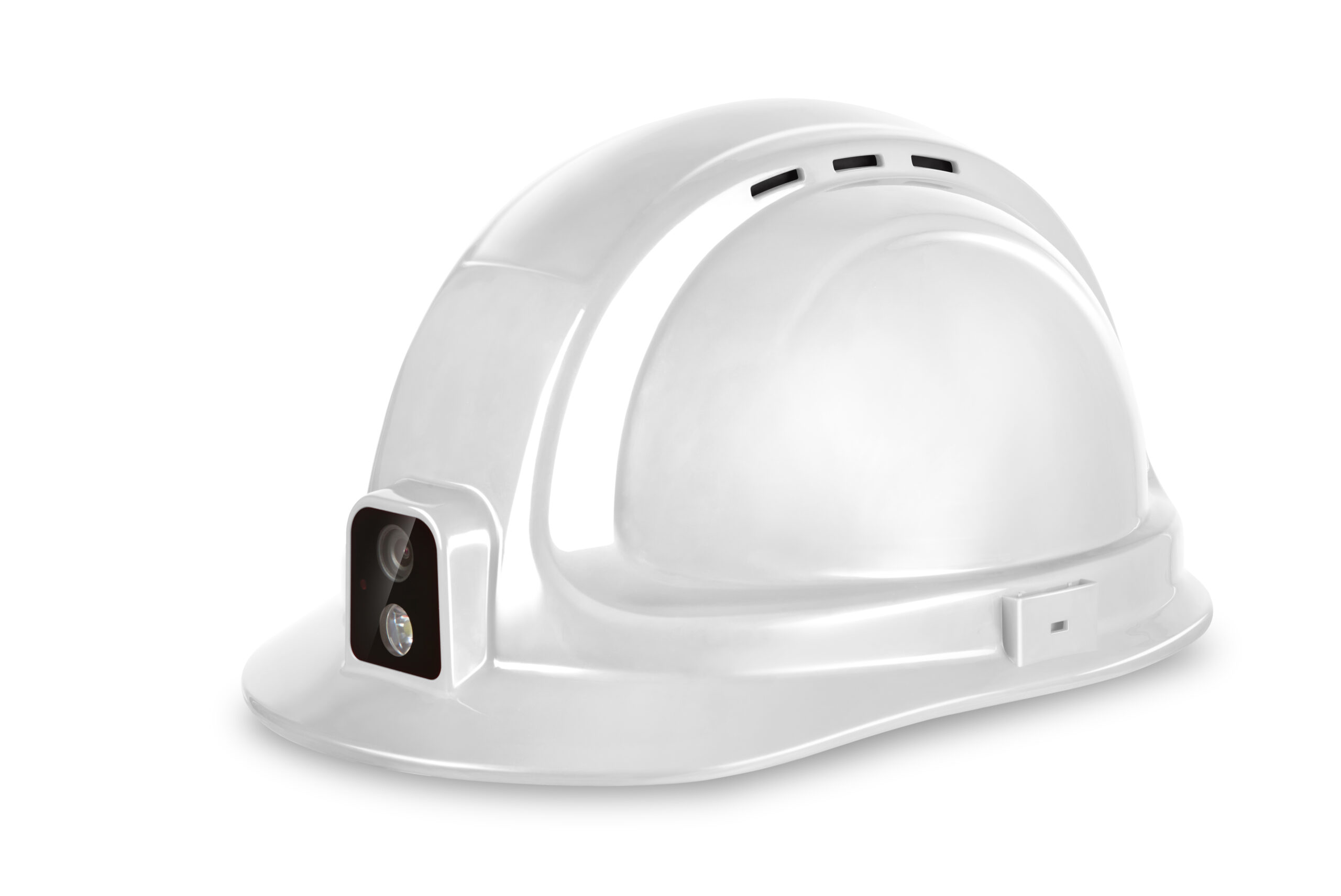
An in helmet camera is designed to be integrated directly into the helmet structure rather than mounted externally.
This design offers several advantages:
- Better stability
- Reduced weight imbalance
- Improved protection
- Lower risk of equipment damage
- Better user comfort
Modern:
- built in helmet camera
- internal helmet camera
- compact helmet camera
systems are designed to remain lightweight while maintaining strong recording performance.
Unlike traditional external mounts, an integrated system reduces movement and vibration during physical activity.
A high-quality inside helmet camera also improves aerodynamics and comfort for users working long shifts in demanding environments.
Why Hands-Free Recording Matters
Emergency response and industrial safety personnel often operate in physically demanding conditions.
A wearable recording system allows workers to keep both hands available during:
- Rescue operations
- Tactical missions
- Fire response
- Equipment inspections
- Construction activities
This is why many agencies now prioritize:
- hands free video recording
- helmet video recorder
- professional helmet camera
solutions for field operations.
A reliable inside helmet camera reduces distractions while improving operational mobility and documentation accuracy.
Public Safety Applications
Public safety organizations across the United States increasingly rely on wearable recording systems for operational support and evidence collection.
Common applications include:
- Law enforcement patrols
- Tactical operations
- Fire response
- Search and rescue missions
- Emergency medical response
- Disaster management
Modern:
- emergency response helmet camera
- security helmet camera
- field operation camera
systems help agencies improve accountability and communication during emergencies.
A dependable inside helmet camera also supports better post-incident analysis and training review.
Helmet Cameras for Law Enforcement
Law enforcement agencies continue adopting wearable video technology to improve operational transparency and evidence collection.
A modern:
- police helmet camera
- helmet cam with audio
- body worn camera system
can help improve:
- Incident documentation
- Officer accountability
- Tactical communication
- Evidence preservation
- Public transparency
Many police departments now combine:
- wearable surveillance camera
- real time helmet camera
- helmet mounted camera
systems to support field operations.
A rugged inside helmet camera provides officers with reliable recording capability during high-risk situations while reducing operational distractions.
Firefighter Helmet Camera Technology
Firefighters often work in environments with:
- Smoke
- Heat
- Low visibility
- Structural hazards
- Water exposure
A durable:
- firefighter helmet camera
- waterproof helmet camera
- night vision helmet camera
helps improve operational awareness during dangerous rescue missions.
Modern systems support:
- Live video streaming
- Incident review
- Rescue coordination
- Training analysis
- Safety monitoring
A dependable inside helmet camera also improves communication between firefighters and command centers during active incidents.
Construction and Industrial Safety Applications
Construction sites and industrial facilities involve many potential safety risks.
Companies now use:
- construction helmet camera
- industrial safety camera
- safety helmet camera
systems to improve workplace monitoring and incident documentation.
Wearable recording technology helps:
- Improve compliance
- Monitor hazardous environments
- Support worker training
- Document incidents
- Reduce liability risks
A durable inside helmet camera can also support remote inspections and live safety monitoring during industrial operations.
Tactical and Military Applications
Tactical teams require reliable recording systems that perform well in physically demanding environments.
Modern:
- military helmet camera
- tactical helmet camera
- tactical recording camera
systems help improve:
- Tactical awareness
- Team coordination
- Mission documentation
- Evidence recording
Many organizations also use:
- helmet camera with WiFi
- Bluetooth helmet camera
- wireless helmet camera
technology to support connected field communication.
A reliable inside helmet camera allows tactical teams to operate more efficiently during high-risk operations.
Why HD and 4K Recording Matter
Video quality plays an important role in evidence recording and operational review.
Modern agencies increasingly prefer:
- HD helmet camera
- 4K helmet camera
- high resolution helmet camera
systems because they provide clearer footage during incidents.
High-quality video helps improve:
- Facial identification
- Object recognition
- Scene analysis
- Evidence review
- Investigation accuracy
A professional inside helmet camera should provide reliable recording clarity even in difficult environments.
The Importance of Night Vision Technology
Many field operations occur during low-light or nighttime conditions.
A dependable:
- night vision helmet camera
- low light recording system
- emergency response helmet camera
helps improve visibility during:
- Night patrols
- Fire incidents
- Tactical operations
- Rescue missions
- Disaster response
Night vision capability allows responders to maintain operational awareness while improving safety.
A reliable inside helmet camera with low-light performance is especially valuable for emergency services operating in unpredictable environments.
Live Streaming and Remote Monitoring
Modern emergency operations increasingly depend on real-time communication.
A connected:
- live stream helmet camera
- helmet camera with WiFi
- wireless helmet camera
allows command centers to monitor operations remotely.
Live streaming improves:
- Tactical coordination
- Supervisor oversight
- Emergency response timing
- Incident management
- Team communication
A connected inside helmet camera supports faster operational decision-making and improved field coordination.
Why Smart Helmet Technology Is Expanding
Wearable technology continues evolving rapidly.
Modern:
- AI smart helmet camera
- smart safety helmet
- advanced helmet camera system
solutions now include:
- GPS tracking
- AI monitoring
- Cloud evidence storage
- Wireless communication
- Real-time alerts
Smart systems help organizations improve both operational efficiency and worker safety.
A modern inside helmet camera is becoming part of a larger connected safety ecosystem.
Motorcycle and Field Operation Applications
Helmet recording systems are also becoming popular for transportation and field mobility applications.
Common uses include:
- Traffic patrols
- Motorcycle law enforcement
- Security escorts
- Field inspections
Many agencies use:
- motorcycle helmet camera
- POV helmet camera
- first person helmet camera
systems to improve field documentation and mobility.
A lightweight inside helmet camera improves comfort while supporting continuous recording during movement.
Why Durability Matters
Field recording systems must survive harsh environments.
A high-quality:
- durable helmet camera
- portable helmet recording system
- waterproof helmet camera
should withstand:
- Rain
- Dust
- Heat
- Vibration
- Physical impacts
Emergency responders and industrial workers cannot rely on fragile equipment during critical operations.
A dependable inside helmet camera must provide reliable performance under demanding conditions.
Audio Recording and Communication Features
Video alone is not always enough during incident documentation.
Many organizations now prefer:
- helmet cam with audio
- professional helmet camera
- wearable surveillance camera
systems that support synchronized audio recording.
Audio helps improve:
- Incident analysis
- Communication review
- Evidence quality
- Training evaluation
A modern inside helmet camera with audio recording capability provides more complete operational documentation.
Why Compact and Lightweight Designs Matter
Comfort plays an important role during long shifts.
A bulky recording device may:
- Cause fatigue
- Reduce mobility
- Create discomfort
- Distract personnel
This is why many organizations prefer:
- mini helmet camera
- lightweight helmet camera
- compact helmet camera
solutions designed for extended use.
A comfortable inside helmet camera helps improve long-term operational performance.
How Grand Time Supports Smart Safety Operations
Grand Time develops intelligent wearable safety technology designed for public safety agencies, industrial teams, and tactical operations.
The company focuses on:
- Real-time communication systems
- Smart recording solutions
- Wearable surveillance technology
- AI-enabled safety equipment
- Rugged operational hardware
Modern organizations require reliable recording technology capable of supporting:
- Emergency response
- Tactical operations
- Industrial inspections
- Public safety patrols
- Incident documentation
Grand Time supports these industries through advanced:
- helmet mounted camera
- wearable helmet camera
- field operation camera
- portable helmet recording system
solutions built for demanding operational environments.
What Features Should Organizations Prioritize?
When selecting an inside helmet camera, organizations should prioritize:
Video Quality
HD or 4K recording improves evidence clarity.
Durability
Equipment should withstand harsh environments.
Battery Life
Long runtime supports extended operations.
Wireless Connectivity
Supports live monitoring and communication.
Audio Recording
Improves evidence documentation.
Comfort
Lightweight systems reduce fatigue.
Night Vision
Supports low-light operations.
Choosing the right wearable system improves both operational safety and recording reliability.
The Future of Helmet Camera Systems
Helmet camera technology continues advancing rapidly.
Future innovations may include:
- AI threat detection
- Facial recognition
- Automated incident alerts
- Augmented reality overlays
- Real-time analytics
- Cloud-connected evidence management
The role of the inside helmet camera will continue expanding across public safety, industrial operations, emergency response, and tactical field environments.
Modern wearable recording systems are becoming essential tools for connected safety operations.
Final Words
Modern field operations require faster communication, better accountability, and more reliable incident documentation than ever before. Wearable recording technology is helping organizations improve all of these areas through intelligent real-time monitoring systems.
A dependable inside helmet camera improves operational efficiency while supporting safer and more transparent field operations across public safety, industrial safety, tactical response, and emergency services.
From police patrols and firefighting operations to construction monitoring and tactical coordination, helmet-integrated recording systems are becoming essential tools for modern organizations operating in demanding environments.
As smart safety technology continues evolving, wearable recording systems will play an even larger role in improving operational awareness and protecting frontline personnel.
With advanced wearable safety solutions designed for real-world operations, Grand Time continues supporting agencies and organizations seeking reliable intelligent recording technology for modern field environments.
Frequently Asked Questions
What is an inside helmet camera?
An inside helmet camera is a wearable recording system integrated into a helmet to provide hands-free video recording from the user’s perspective.
Why are inside helmet cameras important?
They improve incident documentation, operational safety, communication, and real-time situational awareness during field operations.
Who uses helmet camera systems?
Police officers, firefighters, rescue teams, industrial workers, military personnel, and emergency responders commonly use wearable helmet cameras.
What features should a professional helmet camera include?
Important features include HD recording, night vision, wireless connectivity, audio recording, durability, and long battery life.
Are inside helmet cameras used for live streaming?
Yes. Many modern systems support real-time video streaming for remote monitoring and operational coordination.