
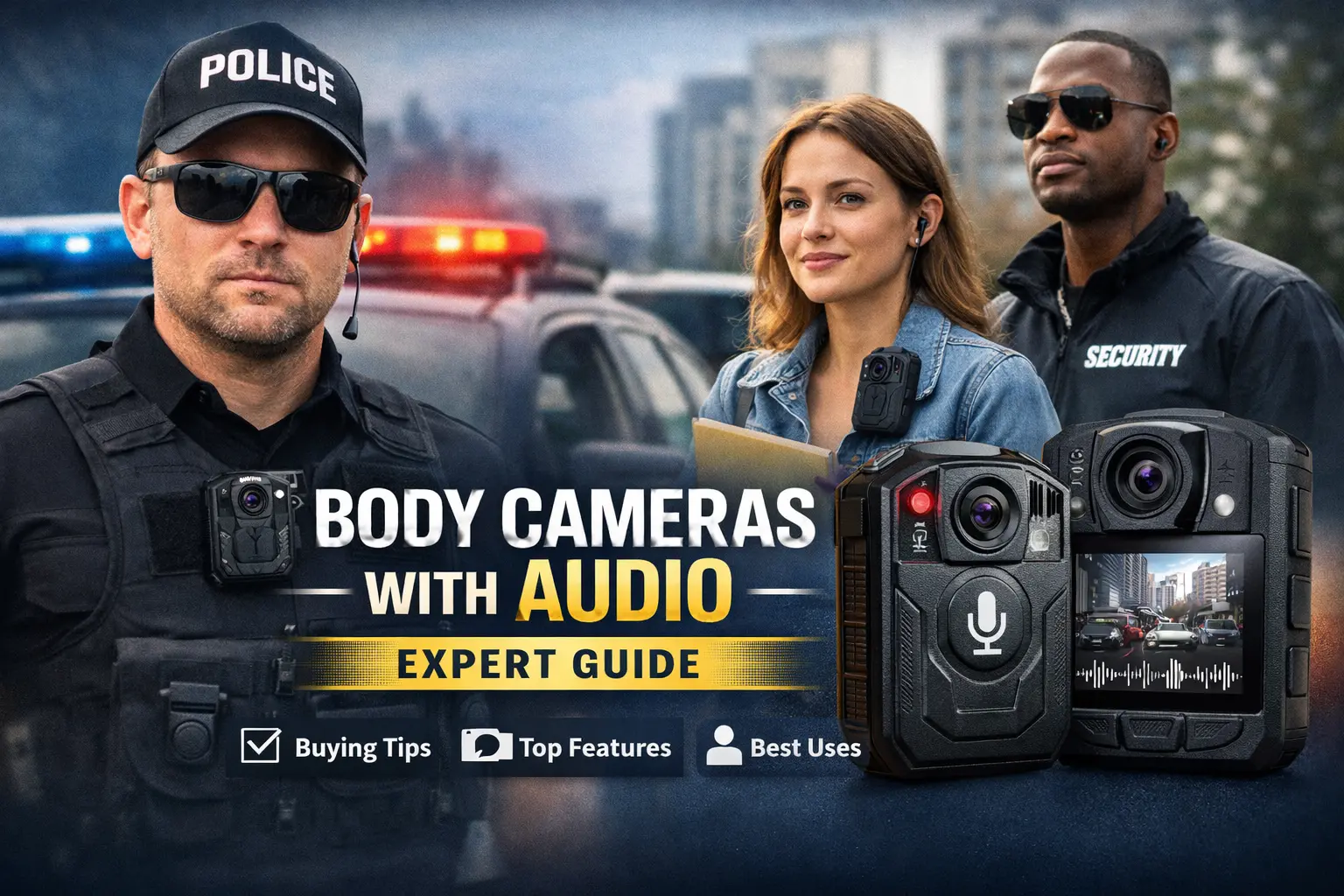
Workplace safety technology continues evolving rapidly across industrial operations, construction sites, logistics facilities, manufacturing plants, transportation industries, and commercial field services. Modern organizations increasingly focus on improving worker protection, operational accountability, compliance management, and incident documentation through smart wearable technology such as a body worn camera with audio.
As industrial environments become more complex, businesses now require:
- Real-time documentation
- Hands-free recording
- Operational transparency
- Safety monitoring
- Workforce accountability
- Digital evidence management
One of the fastest-growing technologies supporting these goals is wearable recording equipment. Modern wearable systems combine:
- HD video capture
- Audio recording
- Cloud integration
- Wireless communication
- Smart storage systems
- AI-enhanced monitoring
The growing demand for wearable safety technology has accelerated the adoption of body worn camera with audio systems across multiple industries in the United States.
Grand Time continues supporting modern workplace safety with advanced wearable recording systems, industrial monitoring solutions, AI-integrated safety equipment, and smart workforce documentation technologies designed for evolving enterprise operations.
Why Are Body Worn Camera With Audio Systems Becoming More Important?
Body worn camera with audio systems are becoming increasingly important because modern workplaces require stronger accountability, better incident documentation, and improved operational transparency.
Today’s body worn camera with audio systems help improve:
- Workplace safety
- Field operation monitoring
- Employee accountability
- Incident reporting
- Compliance management
Modern body worn camera with audio technology is now widely used across:
- Construction sites
- Security operations
- Industrial facilities
- Transportation services
- Utility operations
- Field workforce management
These systems help organizations maintain safer and more transparent work environments.
What Is a Body Worn Camera System?
A body-worn camera is a wearable recording device attached to clothing, uniforms, safety vests, helmets, or work equipment.
Modern systems often include:
- HD video recording
- Audio capture
- Wireless transfer
- Cloud storage
- Mobile integration
Many industries now use:
- body cameras
- personal body camera
- Smart wearable recording systems
to improve operational oversight and workplace documentation.
Why Are Workplace Safety Standards Changing in 2026?
Industrial safety standards continue evolving due to:
- Stricter regulations
- Growing liability concerns
- Increased operational complexity
- Higher accountability expectations
Organizations now prioritize:
- Real-time documentation
- Worker protection
- Digital incident tracking
The rise of body worn camera with audio systems reflects the growing demand for modern workplace transparency.
How Do Wearable Cameras Improve Workplace Accountability?
Wearable recording systems help create:
- Clear documentation
- Reliable evidence collection
- Transparent operations
Supervisors and managers can review footage to:
- Analyze incidents
- Improve training
- Verify procedures
- Support compliance investigations
A reliable body camera with audio system helps organizations improve workplace accountability significantly.
Why Are Construction Companies Using Wearable Cameras?
Construction environments often involve:
- Heavy equipment
- Hazardous conditions
- Multiple contractors
- Complex workflows
Modern construction companies increasingly use:
- body cameras for civilians
- Smart wearable monitoring systems
- Industrial recording devices
to improve:
- Worker coordination
- Site documentation
- Safety compliance
Wearable cameras continue becoming standard equipment on many industrial jobsites.
How Are Security Teams Using Body Cameras?
Security personnel increasingly use:
- body cameras for security officers
- Smart audio recording systems
- Real-time documentation tools
to improve:
- Incident reporting
- Operational transparency
- Evidence collection
Modern security operations now depend heavily on wearable monitoring technology.
Why Is Audio Recording Important?
Audio recording helps improve:
- Communication documentation
- Incident clarity
- Evidence accuracy
Modern body worn camera with audio systems capture:
- Conversations
- Instructions
- Environmental sounds
- Operational communication
This creates more complete workplace documentation during incidents or field operations.
How Are AI Technologies Influencing Wearable Cameras?
Modern wearable systems increasingly integrate:
- AI analytics
- Smart alerts
- Automated tagging
- Intelligent storage systems
AI technology helps organizations:
- Review footage faster
- Improve incident analysis
- Manage digital evidence efficiently
The future of industrial safety increasingly combines AI with wearable recording systems.
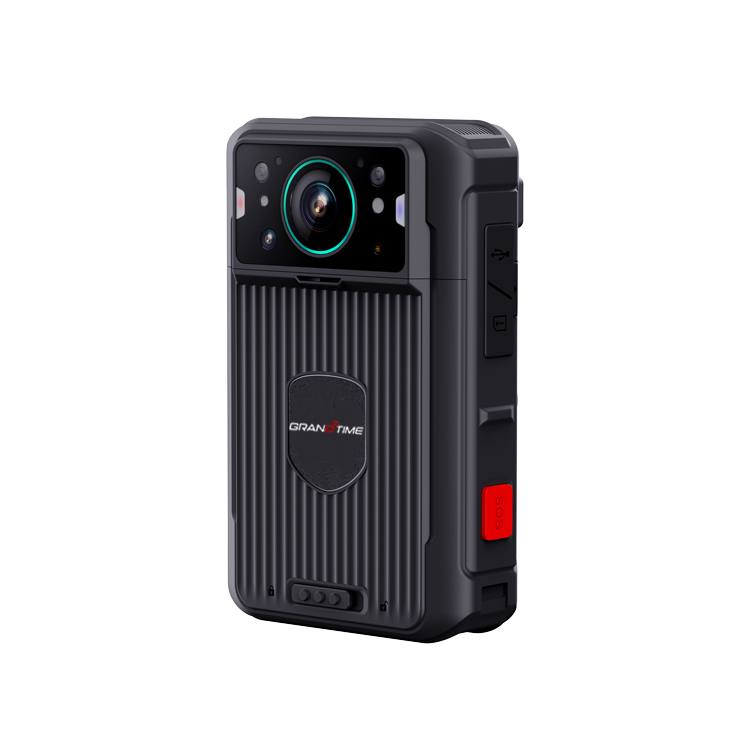
Why Are Compact Wearable Systems Becoming Popular?
Workers increasingly prefer:
- Lightweight devices
- Compact wearable systems
- Comfortable equipment
Modern businesses now prioritize:
- small body camera
- mini body worn camera
- Lightweight wearable devices
because they improve:
- User comfort
- Long-shift usability
- Operational convenience
Compact design continues driving wearable technology growth.
How Are Wearable Cameras Improving Training?
Recorded footage helps organizations:
- Demonstrate procedures
- Improve onboarding
- Review operational mistakes
- Strengthen safety awareness
Many companies now use wearable footage for:
- Employee education
- Procedure analysis
- Field operation review
Modern safety training increasingly depends on real-world visual documentation.
Why Is Real-Time Documentation Important?
Real-time recording improves:
- Incident response
- Investigation accuracy
- Operational transparency
Modern wearable systems allow organizations to maintain:
- Continuous documentation
- Accurate timelines
- Better evidence management
The growth of body worn camera with audio technology reflects the increasing need for reliable workplace documentation.
How Are Wearable Systems Used in Logistics?
Logistics companies increasingly use wearable recording systems to improve:
- Delivery accountability
- Operational tracking
- Driver safety
- Warehouse coordination
Modern field operations benefit from:
- Hands-free recording
- Mobile documentation
- Real-time reporting
Wearable technology continues expanding across transportation industries.
Why Are Cloud Storage Systems Important?
Modern wearable systems increasingly integrate:
- Cloud backup
- Remote access
- Digital evidence storage
Cloud technology helps organizations:
- Access footage remotely
- Improve storage security
- Simplify evidence management
Cloud integration has become one of the most important features in modern wearable camera systems.
How Are Wearable Cameras Supporting Industrial Compliance?
Industrial compliance often requires:
- Procedure verification
- Operational documentation
- Safety audits
Wearable systems help companies:
- Verify standards
- Improve accountability
- Maintain digital records
Many industries now use:
- personal body cameras
- Smart compliance systems
- Industrial monitoring tools
to support regulatory requirements.
Why Are Discreet Designs Becoming More Popular?
Some industries require:
- Minimal device visibility
- Lightweight operation
- Compact placement
This has increased demand for:
- discreet body camera
- concealed body camera
- Compact wearable systems
Discreet designs improve comfort and reduce operational distraction.
How Are Hidden Recording Systems Used Professionally?
Some industries use:
- hidden body camera
- hidden body camera with audio
- Low-profile wearable systems
for:
- Compliance verification
- Workplace investigations
- Specialized operational monitoring
Professional use focuses primarily on documentation, transparency, and operational accountability.
Why Are Mobile Connectivity Features Growing?
Modern wearable systems increasingly support:
- Smartphone integration
- Wireless syncing
- Mobile footage transfer
Some users search for:
- body cam that saves video to phone android
- Wireless wearable storage systems
- Mobile-compatible body cameras
because mobile connectivity improves operational flexibility.
How Are Wearable Cameras Improving Emergency Response?
Emergency teams use wearable systems to:
- Improve communication
- Record incidents
- Support investigations
- Coordinate field operations
Real-time documentation improves operational awareness during high-pressure situations.
Why Are Businesses Investing in Smart Wearable Systems?
Businesses increasingly invest in wearable technology because it helps:
- Reduce liability
- Improve safety standards
- Strengthen accountability
- Enhance operational transparency
Wearable systems now play a major role in modern enterprise risk management.
How Is Video Quality Improving Modern Workplace Documentation?
Modern systems provide:
- HD video
- Improved low-light recording
- Stable image capture
- Better audio clarity
High-quality footage improves:
- Incident review
- Investigation accuracy
- Training quality
Clear documentation remains critical for workplace accountability.
Why Are Organizations Comparing Body Camera Pricing?
Many buyers compare:
- body worn camera price
- how much does a body camera cost
- how much are body cameras
- how much does a body cam cost
before investing in wearable systems.
Pricing often depends on:
- Recording quality
- Battery life
- Cloud integration
- AI features
- Storage capacity
Businesses increasingly prioritize long-term operational value over basic hardware costs.
How Are Wearable Systems Supporting Remote Workforce Management?
Remote workforces often operate:
- Across large job sites
- In isolated environments
- Without direct supervision
Wearable systems help improve:
- Communication
- Oversight
- Documentation
- Accountability
The rise of field-based industries continues driving wearable technology adoption.
Why Are Mini Wearable Cameras Growing in Popularity?
Mini wearable systems provide:
- Better portability
- Lower weight
- Improved convenience
Many organizations now seek:
- mini body cam
- best mini body camera
- best mini body camera with audio
because compact equipment improves worker mobility.
How Are Businesses Choosing the Best Wearable Systems?
Organizations often evaluate:
- Video quality
- Battery life
- Durability
- Cloud features
- Audio recording quality
Many buyers compare:
- best body camera
- best body camera with audio
- best body worn camera
- best bodycam
before selecting systems for industrial operations.
Reliable performance remains one of the most important decision factors.
Why Are Wearable Cameras Becoming Standard in Industrial Operations?
Industrial environments increasingly require:
- Digital documentation
- Safety accountability
- Incident review systems
- Compliance verification
Wearable recording technology helps businesses:
- Improve operational consistency
- Reduce disputes
- Strengthen safety culture
Modern industrial safety increasingly depends on connected monitoring technology.
How Does Grand Time Support Workplace Safety Technology?
Grand Time focuses on:
- Smart wearable cameras
- Industrial safety systems
- AI-powered monitoring technology
- Enterprise recording solutions
- Workplace accountability infrastructure
The company supports organizations looking for:
- Wearable safety cameras
- Industrial monitoring systems
- Smart documentation technology
- Real-time workforce recording solutions
Whether businesses require industrial monitoring, field operation recording, or enterprise safety infrastructure, Grand Time continues supporting the future of smart workplace technology.
Helpful Tips Before Choosing Wearable Camera Systems
Prioritize Video Quality
Clear footage improves incident documentation.
Evaluate Battery Performance
Long shifts require reliable battery life.
Compare Storage Features
Cloud systems improve evidence management.
Focus on Worker Comfort
Compact systems improve long-term usability.
Choose Reliable Audio Recording
Clear sound improves communication documentation.
Final Words
Modern workplace safety continues evolving rapidly as industries increasingly prioritize operational transparency, workforce accountability, digital documentation, and real-time incident management. Today’s body worn camera with audio systems combine wearable recording technology, AI-powered monitoring, cloud storage integration, and hands-free operational support to improve industrial safety and enterprise workforce management across the United States.
As industrial environments become more complex, organizations increasingly rely on wearable technology to strengthen compliance systems, improve worker protection, simplify investigations, and maintain accurate operational documentation. From construction sites and logistics operations to security teams and industrial facilities, wearable camera systems continue becoming essential tools for modern workplace safety management.
Whether businesses require smart wearable recording devices, enterprise safety monitoring systems, industrial accountability infrastructure, or advanced field operation documentation solutions, investing in reliable wearable technology can significantly improve operational efficiency, safety performance, and long-term workforce transparency. With advanced industrial safety expertise and modern wearable monitoring solutions, Grand Time continues helping organizations adapt to the future of intelligent workplace protection systems.
FAQs
Why are body worn camera with audio systems important?
They improve workplace safety, accountability, incident documentation, and operational transparency.
What industries use wearable body cameras?
Construction, logistics, security, utilities, transportation, and industrial operations commonly use wearable systems.
Why is audio recording important in wearable systems?
Audio recording improves communication documentation and creates more complete incident records.
Are compact wearable cameras becoming more popular?
Yes. Lightweight and mini wearable systems improve comfort and operational flexibility.
Where can businesses find reliable wearable safety solutions?
Trusted providers like Grand Time offer advanced wearable recording systems and industrial monitoring technology.