



Industrial safety has become one of the most important priorities across modern construction and infrastructure projects. Construction companies throughout the United States increasingly focus on improving worker protection, reducing workplace incidents, and adopting tools like helmet camera for construction workers to enhance jobsite monitoring, as well as maintaining stronger compliance standards on busy jobsites.
Modern construction environments are becoming more complex due to:
- Large-scale infrastructure projects
- High-risk work environments
- Multi-team coordination
- Tight project deadlines
- Expanding safety regulations
As a result, wearable technology is rapidly transforming industrial operations. One of the fastest-growing innovations in modern construction safety is wearable camera technology integrated directly into helmets and protective equipment.
Today’s smart safety systems combine:
- Real-time recording
- Hands-free operation
- AI monitoring
- Remote supervision
- Digital documentation
- Site accountability
These technologies help improve communication, training, worker visibility, project tracking, and incident investigation across industrial environments.
Grand Time continues supporting modern industrial operations with advanced wearable camera systems, smart monitoring solutions, body-worn technology, and intelligent safety equipment designed for evolving construction site requirements.
Why Is Helmet Camera for Construction Workers Becoming Essential?
Helmet camera for construction workers systems are becoming increasingly important because modern construction sites require stronger safety monitoring, better documentation, and more efficient communication.
Today’s helmet camera for construction workers solutions help improve:
- Worker accountability
- Site monitoring
- Incident recording
- Safety inspections
- Remote supervision
Modern helmet camera for construction workers technology is now widely used across:
- Construction projects
- Industrial facilities
- Infrastructure development
- Utility operations
- Engineering environments
What Is a Helmet Camera System?
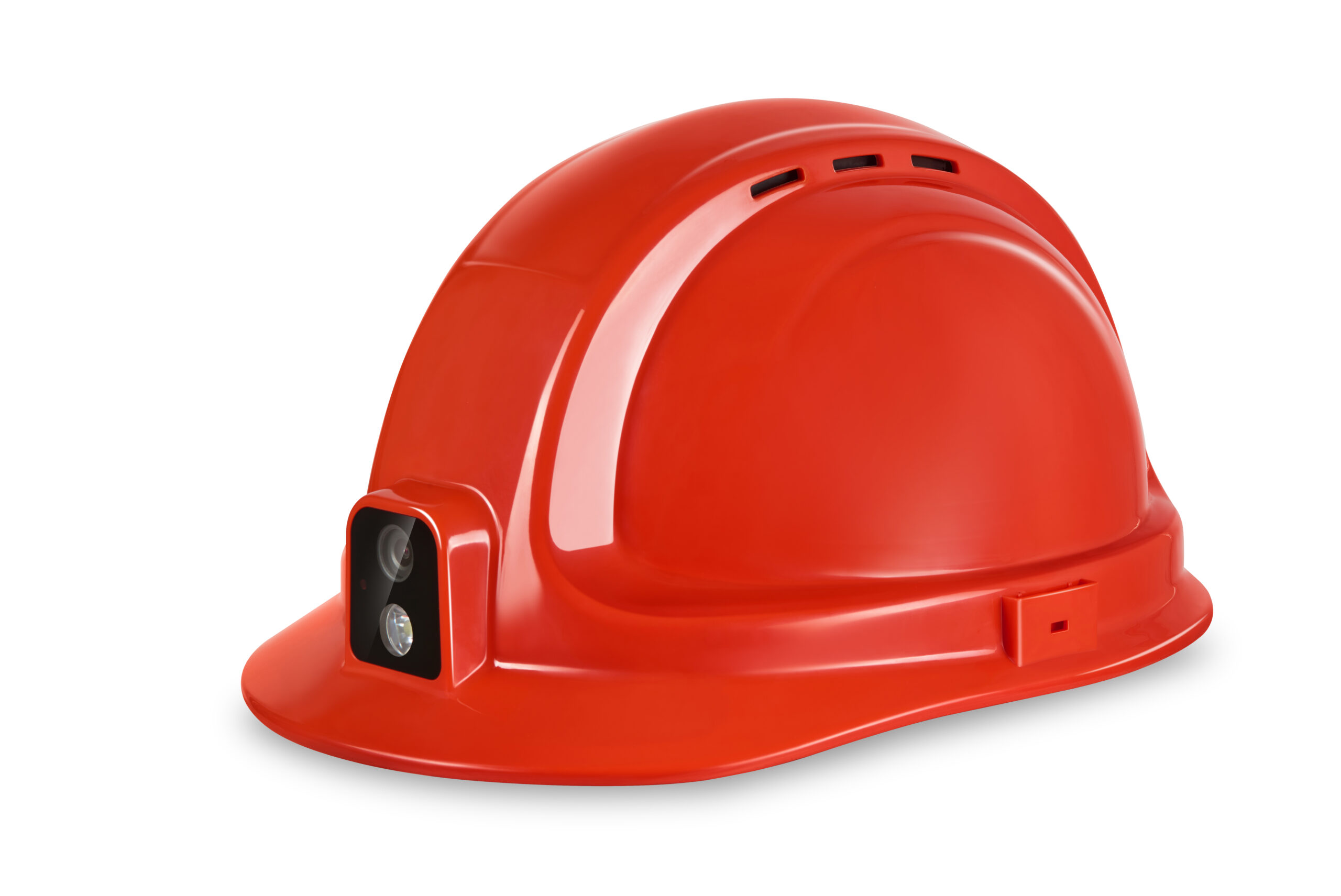
A helmet camera is a wearable recording device mounted directly onto protective headgear.
Modern helmet cameras often include:
- HD recording
- Wireless connectivity
- Night vision support
- Cloud integration
- Real-time streaming
These systems allow workers and supervisors to capture:
- Jobsite activity
- Safety procedures
- Operational workflows
- Training documentation
without interrupting daily operations.
Why Are Smart Safety Technologies Growing in Construction?
Construction companies increasingly invest in smart safety technology because it helps:
- Reduce accidents
- Improve compliance
- Increase visibility
- Strengthen accountability
Modern industrial safety now depends heavily on:
- AI-powered monitoring
- Wearable devices
- Smart reporting systems
- Real-time communication tools
The future of industrial safety increasingly centers around connected wearable technologies.
How Do Wearable Cameras Improve Construction Safety?
Wearable cameras improve safety by helping supervisors:
- Monitor jobsite activity
- Review incidents
- Verify procedures
- Improve worker training
A reliable helmet camera for construction workers system also supports:
- Evidence collection
- Safety audits
- Hazard analysis
- Risk prevention
These systems help construction teams identify problems before they become serious incidents.
Why Is Hands-Free Recording Important?
Construction workers often operate:
- Heavy equipment
- Power tools
- Industrial machinery
Hands-free recording allows workers to:
- Continue working safely
- Capture jobsite footage
- Improve operational visibility
Modern wearable camera systems improve both convenience and workplace efficiency.
How Are AI Technologies Influencing Construction Safety?
AI technology increasingly supports:
- Hazard detection
- Worker tracking
- Incident analysis
- Safety reporting
Modern helmet camera for construction workers systems may integrate AI-powered features such as:
- Motion recognition
- Object detection
- Smart alerts
- Automated reporting
These technologies help companies improve:
- Site awareness
- Safety management
- Operational oversight
Why Is Real-Time Monitoring Important?
Construction projects often involve:
- Multiple contractors
- Large teams
- Hazardous environments
- Remote job sites
Real-time monitoring helps supervisors:
- Observe operations instantly
- Improve communication
- Respond faster to emergencies
Modern wearable camera systems increasingly support:
- Live video streaming
- Remote access
- Wireless monitoring
for smarter industrial management.
How Are Helmet Cameras Used for Training?
Training is one of the fastest-growing applications for wearable safety cameras.
Construction companies use recorded footage to:
- Demonstrate procedures
- Improve onboarding
- Review mistakes
- Teach safety standards
A quality helmet action cam system allows trainers to show real-world examples directly from worker perspectives.
This improves:
- Training clarity
- Worker understanding
- Operational consistency
Why Is Documentation Important on Construction Sites?
Accurate documentation helps companies:
- Verify compliance
- Resolve disputes
- Improve inspections
- Maintain project records
Modern helmet camcorder systems support:
- Digital documentation
- Incident recording
- Workflow tracking
Construction companies increasingly rely on digital records to improve project accountability.
How Are Small Camera Systems Improving Wearability?
Modern wearable cameras are becoming:
- Smaller
- Lighter
- More durable
Many companies now prioritize:
- small helmet camera
- mini camera for helmet
- Compact wearable systems
because lighter equipment improves:
- Worker comfort
- Long-term usability
- Mobility
Compact camera design continues advancing rapidly in industrial environments.
Why Are Video Quality Improvements Important?
Modern industrial recording systems increasingly focus on:
- HD video
- Stable footage
- Low-light visibility
- Clear image capture
Strong helmet camera photo quality helps improve:
- Incident investigation
- Safety review
- Training footage
- Project documentation
Clear footage is essential for professional industrial use.
How Are Wearable Cameras Improving Accountability?
Video systems help create:
- Transparent workflows
- Better safety compliance
- Improved operational standards
Workers and supervisors can review footage to:
- Identify safety risks
- Improve procedures
- Strengthen communication
Modern wearable monitoring systems continue improving accountability across industrial environments.
Why Are Construction Companies Investing in Smart Monitoring?
Construction firms increasingly invest in:
- Smart infrastructure
- Connected safety systems
- Wearable technology
- Real-time monitoring
These technologies help:
- Reduce operational risk
- Improve project visibility
- Increase efficiency
The construction industry continues moving toward digitally connected safety ecosystems.
How Are Wearable Cameras Similar to Action Cameras?
Many industrial wearable systems share similarities with:
- action camera
- helmet action cam
- Outdoor recording systems
However, industrial safety cameras are typically designed specifically for:
- Workplace durability
- Long operational hours
- Safety compliance
- Industrial environments
Construction-grade systems require stronger reliability than consumer sports cameras.
Why Is Durability Important?
Construction environments expose equipment to:
- Dust
- Rain
- Heat
- Vibration
- Physical impact
Reliable helmet camera for construction workers systems should support:
- Weather resistance
- Long battery life
- Industrial-grade durability
Strong hardware improves long-term operational performance.
How Are Construction Cameras Different From Sports Cameras?
Consumer products such as:
- motorcycle helmet camera
- bicycle helmet camera
- action sports helmet camera
- cycle helmet camera
are often designed for recreational use.
Industrial systems focus more on:
- Safety monitoring
- Long recording duration
- Secure storage
- Professional compliance
Construction-grade wearable systems require higher operational reliability.
Why Are Remote Construction Projects Using Wearable Cameras?
Remote projects often involve:
- Limited supervision
- Large infrastructure zones
- Hazardous conditions
Wearable systems help improve:
- Remote oversight
- Communication
- Safety verification
Companies increasingly use wearable technology to improve visibility across large job sites.
How Does Wearable Technology Support OSHA Compliance?
Safety regulations continue becoming stricter across US construction industries.
Wearable camera systems help companies:
- Verify procedures
- Document compliance
- Monitor worker behavior
- Improve reporting accuracy
Digital monitoring supports stronger industrial safety management.
Why Are Infrastructure Projects Investing in Smart Safety Systems?
Large infrastructure projects often involve:
- High-risk operations
- Multiple contractors
- Complex coordination
Smart monitoring systems help improve:
- Communication
- Safety oversight
- Incident response
- Operational tracking
Modern industrial infrastructure increasingly depends on connected technology solutions.
How Are Construction Teams Using Cloud Storage?
Modern wearable systems often support:
- Cloud backup
- Remote footage access
- Centralized storage
This improves:
- Evidence management
- Project documentation
- Team collaboration
Cloud technology continues transforming industrial monitoring systems.
Why Is Battery Life Important for Wearable Cameras?
Construction projects may require:
- Full-day recording
- Long shifts
- Continuous operation
Reliable wearable systems should provide:
- Stable power performance
- Efficient charging
- Long operational duration
Battery reliability significantly affects industrial usability.
How Are Smart Construction Sites Evolving?
Modern construction sites increasingly combine:
- AI systems
- Wearable technology
- Smart sensors
- Remote management
The future of industrial safety continues moving toward:
- Automated monitoring
- Real-time reporting
- Intelligent jobsite management
A reliable helmet camera for construction workers system plays a major role in this transformation.
Why Are Compact Wearable Systems Becoming More Popular?
Workers prefer lightweight equipment that:
- Does not reduce mobility
- Remains comfortable during long shifts
- Supports easy operation
Modern wearable systems now focus heavily on:
- Ergonomic design
- Compact mounting
- Minimal obstruction
Compact systems improve overall worker acceptance and usability.
How Is Wearable Camera Technology Expanding Beyond Construction?
Wearable recording systems are increasingly used in:
- Utilities
- Logistics
- Manufacturing
- Emergency response
- Transportation
Many industries now recognize the value of:
- Hands-free recording
- Real-time monitoring
- Smart safety documentation
The wearable safety technology market continues expanding rapidly.
Why Choose Grand Time?
Grand Time focuses on:
- Smart wearable cameras
- Industrial monitoring systems
- AI-powered safety technology
- Body-worn recording devices
- Professional industrial solutions
The company supports organizations looking for:
- Construction safety technology
- Smart monitoring systems
- Wearable industrial cameras
- Real-time documentation tools
Whether businesses require industrial monitoring, wearable safety systems, or advanced construction recording solutions, Grand Time continues supporting the future of smart industrial operations.
Helpful Tips Before Choosing Wearable Construction Cameras
Prioritize Durability
Industrial environments require rugged hardware.
Focus on Battery Life
Long shifts require extended recording performance.
Compare Video Quality
Clear footage improves safety review and documentation.
Consider Worker Comfort
Lightweight systems improve usability.
Evaluate Cloud Integration
Remote access improves operational efficiency.
Final Words
Modern construction safety is evolving rapidly as companies increasingly prioritize smarter monitoring systems, real-time documentation, wearable technology, and AI-powered jobsite management tools. Today’s helmet camera for construction workers systems combine hands-free recording, advanced safety monitoring, cloud integration, and intelligent operational oversight to improve industrial safety standards across the United States.
As construction projects become larger and more complex, wearable camera technology continues helping organizations improve accountability, worker protection, training quality, incident response, and project visibility. From infrastructure development and engineering operations to utilities and industrial manufacturing, connected safety technology is becoming one of the most important components of modern industrial management.
Whether organizations require wearable recording systems, real-time monitoring solutions, AI-enhanced safety technology, or advanced jobsite documentation tools, investing in smart industrial safety equipment can significantly improve operational performance and long-term workplace protection. With modern wearable monitoring solutions and advanced industrial technology, Grand Time continues helping businesses adapt to the future of smart industrial safety systems.
FAQs
Why is helmet camera for construction workers technology becoming popular?
It improves safety monitoring, documentation, accountability, and real-time jobsite visibility.
How do wearable cameras improve construction safety?
They help record incidents, verify procedures, improve training, and support compliance monitoring.
What features are important in industrial wearable cameras?
Durability, battery life, HD recording, wireless connectivity, and cloud integration are important features.
Are construction wearable cameras different from sports cameras?
Yes. Industrial systems are designed for safety monitoring, durability, and professional jobsite operations.
Where can companies find smart wearable safety solutions?
Trusted providers like Grand Time offer advanced wearable monitoring systems for industrial environments.