




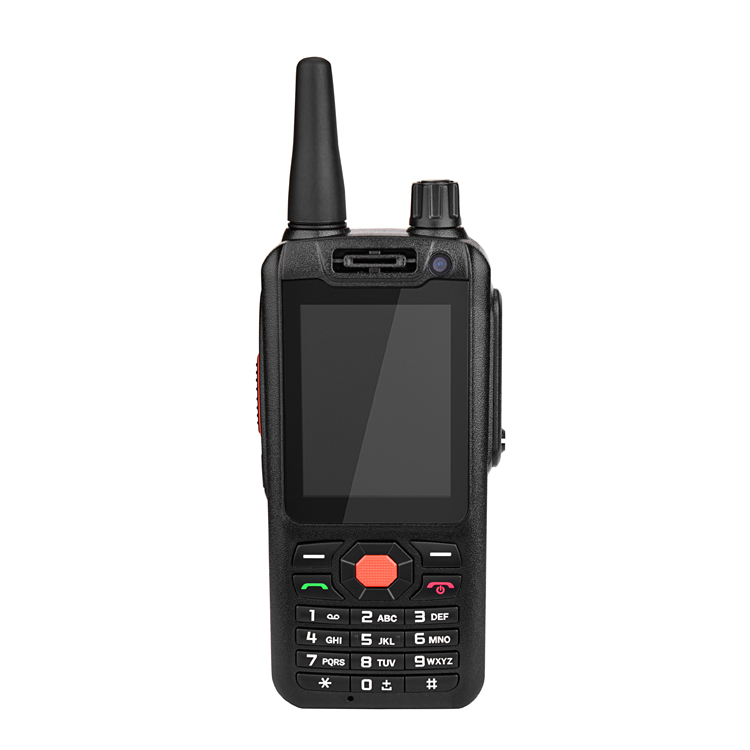
A 4g walkie talkie is a modern communication device that works over cellular networks instead of traditional radio frequencies. In simple terms, it uses 4G LTE coverage to connect users instantly across wide distances, as long as network availability exists.
Unlike traditional radios, a cellular walkie talkie does not depend on limited signal range. Instead, it operates through mobile towers, making communication possible across cities and states in the USA. This is why many industries are shifting toward LTE radio communication solutions for better reliability and nationwide connectivity.
In the USA, companies like GrandTime are seeing increased demand for smart communication systems because businesses want faster, clearer, and more scalable tools for operations, especially in logistics, construction, and security sectors.
Why Businesses Are Switching to LTE-Based Communication Systems
Many organization are upgrading because modern PoC radio communication system technology solves major limitations of traditional radios.
A key advantage is unlimited communication range through strong network coverage, allowing teams to stay connected even across long distances.
Modern systems offer:
- Instant push-to-talk communication
- GPS tracking integration
- Group calling features
- Emergency alert functions
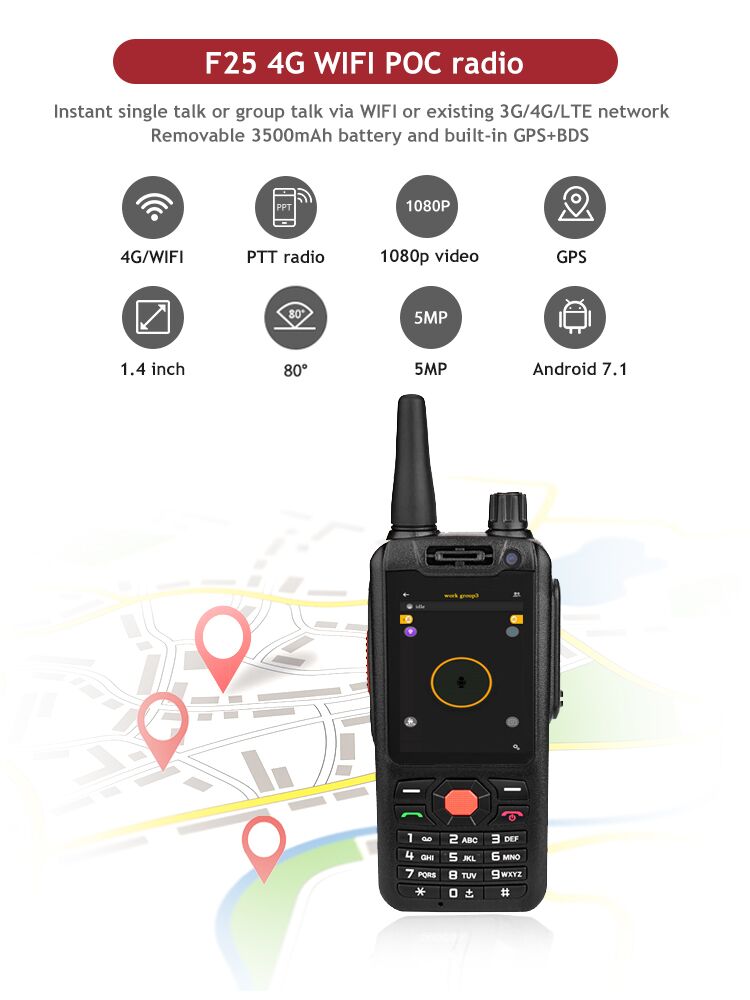
For example, a 4G walkie talkie with GPS helps managers track field staff in real time, improving both safety and productivity.
Industries such as construction and security teams benefit the most from field communication systems, especially in fast-paced environments where every second matters.
Real Use Cases Across the United States
The value of a long range 4G walkie talkie becomes clear when we look at real industry applications.
Transportation Industry
In logistics and delivery services, dispatch teams rely on digital communication tools to coordinate fleets across states. A 4G walkie talkie for the transportation industry ensures drivers stay connected during long routes across Texas, California, and New York.
Construction Sites
Large infrastructure projects depend on 4G walkie talkie for construction sites to coordinate between engineers, supervisors, and workers spread across different zones.
Security Teams
Security agencies use 4G walkie talkie for security teams to respond instantly during emergencies in malls, airports, and public venues.
Warehousing & Logistics
In major US logistics hubs, field teams rely on real-time coordination tools to manage loading and unloading efficiently.
Events & Public Management
Event organizers use 4G LTE radio communication solutions for concerts and sports events where instant communication is critical.
Key Features That Make These Devices Valuable
Modern communication systems offer advanced capabilities beyond traditional radios.
Key features include:
- Real-time communication using LTE networks
- GPS tracking for location monitoring
- Noise reduction technology
- Emergency alert systems
- Integration with 4G PoC radio communication system platforms
- Cloud-based device management
Many 4G walkie talkie manufacturers now provide centralized dashboards for managing thousands of devices across teams.
This scalability is a major reason enterprises adopt them over older systems.
Are LTE Walkie Talkies Really Worth the Investment?
The answer depends on operational needs.
For industries like logistics, transportation, and construction, the return on investment is very high. Companies report faster communication, fewer delays, and improved safety.
Example:
A logistics company in Texas using a cellular walkie talkie system reduced delivery delays by nearly 30%.
Similarly, construction firms using GPS-enabled communication devices reported better worker coordination and safety compliance.
However, for very small teams working in a limited area, traditional radios may still be enough. But most businesses eventually upgrade due to scalability and efficiency.
How to Choose the Right Communication Device
When selecting the right solution, consider:
- Coverage strength and LTE network support
- Battery life for long shifts
- Durability for industrial environments
- GPS tracking capability
- Audio clarity in noisy conditions
- Push-to-talk responsiveness
Always compare the best 4G walkie talkie devices based on industry needs, especially if your team works in both indoor and outdoor environments.
Industry Perspective: Why Experts Recommend LTE Communication
Experts agree that digital communication is replacing analog systems across industries.
The shift toward 4G LTE radio communication solutions is driven by:
- Real-time data exchange
- Cloud integration
- Better scalability
- Improved safety systems
In the USA, industries like healthcare logistics, emergency response, and construction are rapidly adopting these technologies.
Brands like GrandTime emphasize that these systems improve not just communication—but overall operational efficiency.
Final Words
Modern communication systems are transforming how businesses operate in the USA. While a 4g walkie talkie is powerful, its real value lies in scalability, coverage, and real-time coordination.
From construction sites to transportation fleets, industries are adopting LTE-based systems to improve efficiency, safety, and communication speed.
With companies like GrandTime supporting advanced communication solutions, businesses are moving toward smarter, cloud-connected operations.
For most growing organizations, upgrading is no longer optional—it’s a strategic move toward future-ready communication systems.
FAQs
1. What is a 4G walkie talkie used for?
It is used for instant communication across long distances using LTE networks, especially in security, logistics, and construction industries.
2. Does it require the internet to work?
It uses mobile data or LTE networks, not Wi-Fi, but it needs network availability.
3. Is it better than traditional radios?
Yes, because it offers wider coverage, GPS tracking, and better scalability.
4. Can businesses use it for large teams?
Yes, it is ideal for multi-location teams and enterprise-level operations.
5. Are these devices expensive?
Pricing varies, but they offer strong long-term value due to efficiency gains.