


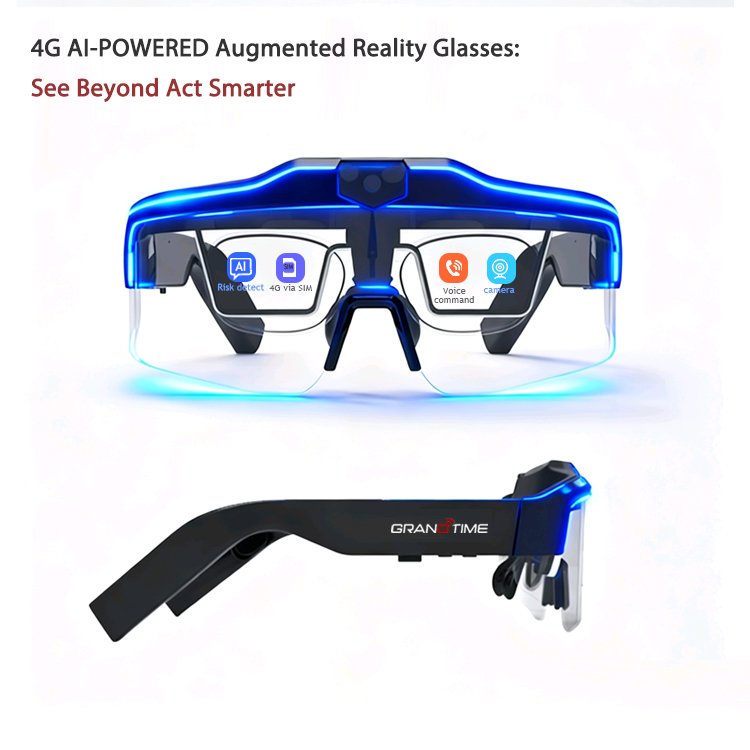
In the United States, wearable technology is rapidly evolving, and AI glasses are leading this transformation in smart devices. These wearables combine artificial intelligence, augmented reality, and real-time data processing to create a seamless digital experience.
With AI glasses, users can access information instantly, interact with their surroundings intelligently, and complete tasks without relying on handheld devices.
Today, AI glasses are no longer experimental gadgets, they are becoming practical tools used across industries such as healthcare, logistics, and corporate environments.
Understanding Smart Wearable Intelligence
Modern wearable systems like AI glasses rely on advanced technologies such as computer vision, edge AI, and natural language processing to understand the user’s environment.
This allows devices to interpret what the user sees and hears, then respond with relevant digital information instantly.
Key components include:
- Visual sensors for environment scanning
- Voice recognition systems
- Real-time AI processing units
- AR-based display lenses
- Cloud-connected intelligence systems
This is the foundation of AI glasses and how they deliver real-time assistance.
Key Features and Benefits of Smart Wearables
The value of AI glasses lies in improving productivity, accessibility, and decision-making in everyday life.
Key benefits:
- Hands-free access to digital tools
- Instant alerts and smart notifications
- Voice-controlled assistance
- Improved accessibility for users with disabilities
- Faster task execution in professional environments
In modern workplaces, AI glasses support efficiency by reducing the need to switch between multiple devices.
Another growing feature is AI glasses with real time translation, which helps users communicate across languages instantly in global business environments.
Real-World Applications Across Industries
Across the United States, AI glasses are being adopted in multiple industries to improve efficiency and reduce human error.
Healthcare
Doctors can access patient data and imaging during procedures, improving accuracy and response time.
Manufacturing
Workers receive step-by-step instructions for machine maintenance and assembly tasks.
Logistics
Delivery teams and warehouse staff use smart navigation tools to improve routing efficiency.
Remote Collaboration
Experts guide on-site workers through live video-based assistance.
Education
Students experience interactive learning with visual overlays and guided instructions.
In many cases, AI glasses for workplace productivity are helping companies modernize operations and reduce training time.
Workplace Transformation in the US
Businesses across the United States are adopting AI glasses features and benefits to improve communication and operational speed.
Companies are using them for:
- Faster employee onboarding
- Real-time task coordination
- Reduced operational mistakes
- Better remote collaboration
They are especially useful in industries where workers need hands-free access to information while performing physical tasks.
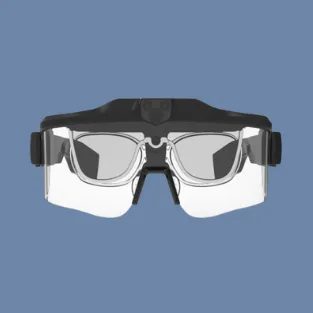
Technology Behind Smart Wearables
The intelligence behind AI glasses for augmented reality comes from several advanced technologies working together.
Key technologies include:
- Machine learning algorithms
- Computer vision processing
- Edge computing systems
- Cloud-based AI models
These systems allow devices to respond quickly while maintaining contextual accuracy in real time.
This is why AI glasses technology trends continue to grow rapidly in the US tech market.
Future Trends in Smart Wearable Devices
The future of wearable technology is expanding beyond basic digital assistance into fully immersive systems.
Upcoming innovations include:
- Smarter environmental awareness
- Improved visual overlays
- Enhanced speech recognition
- Longer battery efficiency in AI glasses battery life and performance
As innovation continues, AI glasses manufacturers are focusing on making devices lighter, faster, and more comfortable for long-term use.
These improvements are also driving adoption in sectors like retail, logistics, and enterprise training.
Choosing the Right Smart Glasses
Selecting the right wearable device depends on user needs and industry requirements.
Important factors:
- Display quality and brightness
- Voice command accuracy
- Battery endurance
- Software ecosystem support
- Comfort for extended use
For example, AI glasses for navigation and mapping are widely used in delivery and transportation industries, while enterprise users focus on workflow efficiency tools.
In industrial environments, AI glasses for industrial use help improve safety and reduce downtime by providing real-time instructions.
Industry Use Case Comparison Table
| Industry | Use Case | Key Advantage |
| Healthcare | Medical guidance | Faster diagnosis support |
| Manufacturing | Equipment handling | Reduced errors |
| Logistics | Route tracking | Faster delivery cycles |
| Corporate | Task management | Higher productivity |
| Training | Skill development | Faster onboarding |
This shows how AI glasses for smart workplaces are reshaping modern business operations.
Final Thoughts
The evolution of AI glasses with cameras and voice assistants is reshaping how humans interact with technology in everyday life.
From healthcare to logistics, AI glasses for field workers are improving productivity, safety, and communication efficiency across industries in the United States.
As innovation continues, AI glasses manufacturers will focus on smarter designs, better battery performance, and more immersive digital experiences.
These advancements ensure that wearable intelligence will continue to play a major role in the future of digital transformation.
FAQs
1. What are smart wearable glasses used for?
They help users access real-time information, voice assistance, and digital overlays without using a phone.
2. Are smart glasses useful in workplaces?
Yes, they improve efficiency in industries like healthcare, logistics, and corporate training.
3. Can smart glasses translate languages?
Many devices support real-time translation for global communication.
4. Do smart glasses need the internet?
Some features require connectivity, while others work using on-device processing.
5. Are they suitable for industrial environments?
Yes, many models are designed specifically for field workers and heavy-duty tasks.