

Introduction
The demand for body worn cameras has grown rapidly across law enforcement, private security, transportation, logistics, healthcare, retail, and public safety sectors. Organizations are increasingly investing in body worn camera solutions to improve transparency, enhance employee safety, reduce liability, and collect valuable evidence.
For distributors, wholesalers, procurement managers, government agencies, and business owners, selecting the right body worn camera manufacturers is one of the most important purchasing decisions. The quality of the manufacturer directly affects product reliability, compliance, pricing, customization capabilities, and long-term support.
This guide explains how to evaluate body worn camera manufacturers, key features to look for, industry certifications, pricing considerations, OEM and private label opportunities, and the factors that influence successful B2B purchasing decisions.
What Are Body Worn Cameras?
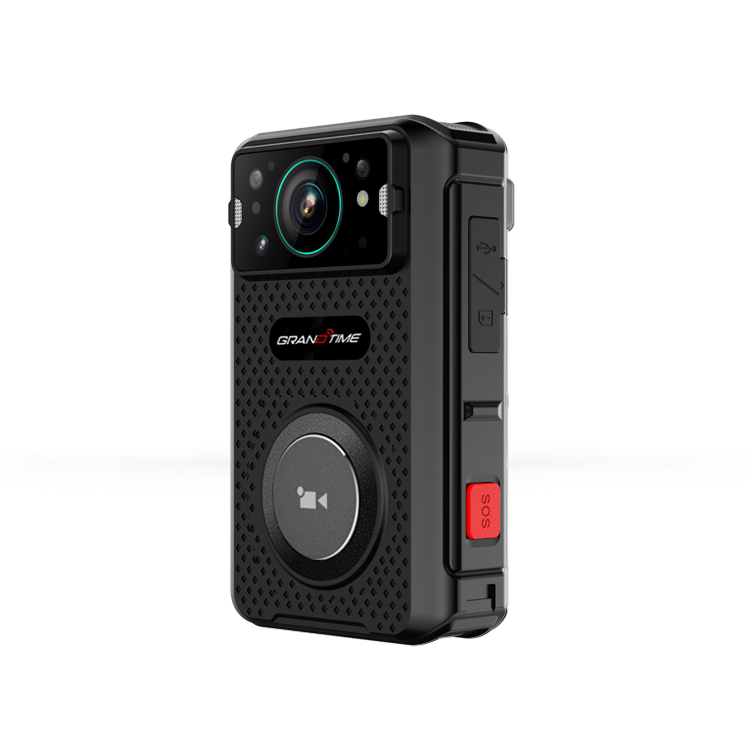
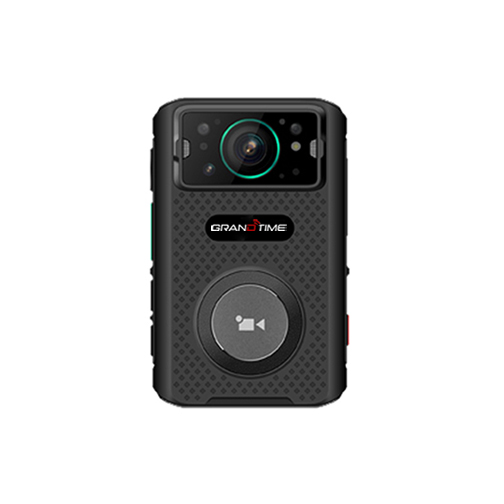
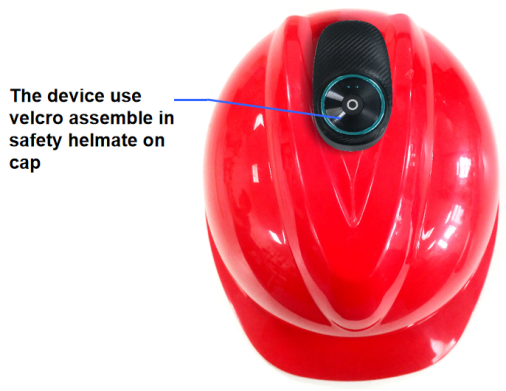
Body worn cameras are portable recording devices designed to capture video, audio, and photographic evidence from the user’s perspective. These devices are typically attached to uniforms, clothing, helmets, or equipment.
Common users include:
- Police departments
- Security companies
- Correctional facilities
- Transportation operators
- Emergency responders
- Healthcare workers
- Retail security teams
- Logistics personnel
- Utility workers
Modern body worn cameras often integrate with cloud storage, evidence management systems, GPS tracking, and real-time streaming platforms.
Why Businesses Are Investing in Body Worn Cameras
Organizations are increasingly adopting body worn cameras because they provide measurable operational and legal benefits.
Key Benefits
Improved Employee Safety
Body cameras help deter aggressive behavior and provide evidence during incidents involving employees.
Reduced Liability
Recorded footage can protect organizations from false claims, disputes, and legal challenges.
Enhanced Transparency
Video evidence improves accountability and strengthens trust between organizations and the public.
Better Evidence Collection
High-definition recordings provide reliable documentation for investigations and incident reviews.
Training and Performance Improvement
Recorded footage helps managers identify opportunities for employee coaching and process improvements.
How to Choose the Right Body Worn Camera Manufacturers
Not all manufacturers offer the same level of quality, support, or customization.
When evaluating suppliers, consider the following factors.
Manufacturing Experience
Look for manufacturers with proven experience producing body worn cameras for commercial and government sectors.
Questions to ask:
- How many years have they been manufacturing?
- What industries do they serve?
- What production capacity do they offer?
- Do they export to the USA?
Experienced manufacturers generally provide more stable quality and better technical support.
Quality Certifications
Reliable body worn camera manufacturers should comply with recognized international standards.
Important certifications include:
| Certification | Purpose |
|---|---|
| ISO 9001 | Quality management system |
| CE | European market compliance |
| FCC | USA communication compliance |
| RoHS | Environmental compliance |
| UL | Product safety requirements |
| IP Ratings | Water and dust resistance |
Certifications demonstrate manufacturing consistency and regulatory compliance.
Research and Development Capabilities
Leading manufacturers invest heavily in R&D to improve:
- Video quality
- Battery performance
- AI-powered features
- Data security
- Evidence management systems
- Cloud integration
Manufacturers with strong engineering teams are more likely to support future product upgrades.
Production Capacity
For distributors and wholesalers, production scalability is critical.
Evaluate:
- Monthly production volume
- Lead times
- Supply chain stability
- Component sourcing
- Inventory management
Large-scale manufacturers can better support growing demand and large government contracts.
Essential Features Buyers Should Look For
Modern body worn cameras offer a wide range of capabilities.
Video Resolution
Most professional-grade devices offer:
- 1080P Full HD
- 2K Resolution
- 4K Ultra HD
Higher resolution improves evidence clarity.
Night Vision
Infrared night vision enables recording in low-light conditions.
This feature is essential for:
- Security patrols
- Law enforcement
- Transportation security
- Emergency response
Battery Life
Extended battery life is a major purchasing consideration.
Typical ranges:
| Battery Capacity | Recording Time |
|---|---|
| Standard | 8-10 Hours |
| Professional | 12-15 Hours |
| Extended | 18-24 Hours |
Longer battery life reduces operational disruptions.
Storage Capacity
Common storage options include:
- 64GB
- 128GB
- 256GB
- 512GB
Larger storage capacities support longer recording periods.
GPS Tracking
GPS functionality provides:
- Location verification
- Route monitoring
- Incident mapping
- Fleet management integration
Live Streaming
Advanced body worn cameras support:
- Real-time monitoring
- Remote supervision
- Emergency response coordination
- Command center integration
OEM and Private Label Opportunities
Many distributors prefer working with body worn camera manufacturers that offer OEM and ODM services.
OEM Manufacturing
OEM services allow buyers to:
- Add their logo
- Customize packaging
- Modify software
- Develop proprietary branding
This approach helps distributors build their own brand identity.
ODM Manufacturing
ODM services involve:
- Customized hardware
- New product development
- Feature modifications
- Exclusive product designs
ODM projects are ideal for companies seeking market differentiation.
Understanding MOQ Requirements
Minimum Order Quantity (MOQ) varies by manufacturer.
Typical ranges include:
| Business Type | Typical MOQ |
|---|---|
| Sample Orders | 1-10 Units |
| Small Distributors | 50-100 Units |
| Private Label Orders | 100-500 Units |
| OEM Projects | 500+ Units |
Always confirm MOQ requirements before requesting quotations.
Pricing Factors for Body Worn Cameras
One of the most common buyer questions is:
How Much Do Body Worn Cameras Cost?
Pricing depends on several factors.
Hardware Specifications
Higher-end components increase costs.
Examples:
- 4K sensors
- AI processors
- GPS modules
- LTE connectivity
Storage Capacity
Larger storage options increase product pricing.
Battery Performance
Extended battery solutions typically cost more.
Software Integration
Cloud platforms and evidence management systems may involve licensing fees.
Customization Requirements
Private labeling and OEM modifications can impact overall costs.
Order Volume
Larger orders generally receive better pricing.
Typical B2B pricing ranges:
| Product Category | Estimated Price |
|---|---|
| Entry-Level | $50-$100 |
| Mid-Range | $100-$250 |
| Professional | $250-$500 |
| Enterprise Solutions | $500+ |
Comparing Domestic vs Overseas Body Worn Camera Manufacturers
USA Manufacturers
Advantages:
- Faster communication
- Easier compliance verification
- Shorter shipping times
Disadvantages:
- Higher manufacturing costs
- Limited customization options
Overseas Manufacturers
Advantages:
- Competitive pricing
- Large production capacity
- Flexible OEM services
- Extensive customization
Disadvantages:
- Longer shipping timelines
- Supplier verification required
Many successful distributors combine overseas manufacturing with local support and distribution.
Industries Using Body Worn Cameras
Law Enforcement
Police departments use body cameras for:
- Evidence collection
- Accountability
- Public transparency
Private Security
Security firms deploy cameras to:
- Protect personnel
- Document incidents
- Reduce liability
Healthcare
Hospitals use body cameras to:
- Improve staff safety
- Document incidents
- Address workplace violence
Transportation
Transit operators benefit from:
- Passenger incident recording
- Driver protection
- Operational monitoring
Logistics and Delivery
Body cameras help:
- Verify deliveries
- Reduce disputes
- Improve worker safety
Questions to Ask Body Worn Camera Manufacturers
Before selecting a supplier, ask:
- What certifications do your products hold?
- What is your production capacity?
- Do you provide OEM and ODM services?
- What warranty do you offer?
- Can you provide product testing reports?
- What is your MOQ?
- What software integrations are available?
- How do you secure recorded data?
- What are your lead times?
- Can you provide references from existing customers?
These questions help identify reliable suppliers and reduce procurement risks.
Common Mistakes Buyers Make
Avoid these frequent purchasing mistakes:
- Choosing based solely on price
- Ignoring certifications
- Failing to test sample units
- Overlooking software compatibility
- Not verifying manufacturing capabilities
- Neglecting warranty coverage
- Ignoring future scalability requirements
A structured supplier evaluation process reduces long-term costs and operational issues.
Future Trends in Body Worn Camera Manufacturing
The industry continues to evolve rapidly.
Emerging technologies include:
- Artificial Intelligence
- Facial recognition capabilities
- Real-time video analytics
- Cloud evidence management
- 5G connectivity
- Edge computing
- Automatic incident detection
Manufacturers investing in these technologies are likely to remain competitive over the next decade.
Conclusion
Choosing the right body worn camera manufacturers requires more than comparing prices. B2B buyers must evaluate manufacturing expertise, certifications, production capacity, customization options, software capabilities, and long-term support.
Whether you are a distributor, importer, security company, government agency, or procurement manager, partnering with a reliable manufacturer can improve product quality, reduce risk, and create sustainable growth opportunities.
Before placing large orders, request product samples, verify certifications, evaluate OEM capabilities, and conduct a thorough supplier assessment. A strategic sourcing approach will help ensure long-term success in the rapidly growing body worn camera market.
Frequently Asked Questions
1. Who are the best body worn camera manufacturers?
The best manufacturers are those with strong certifications, proven production capacity, OEM capabilities, and reliable after-sales support.
2. How much do body worn cameras cost in bulk?
Bulk pricing typically ranges from $50 to $500+ per unit depending on features and order volume.
3. What certifications should body worn cameras have?
Common certifications include FCC, CE, RoHS, ISO 9001, and relevant safety certifications.
4. Can body worn cameras be customized?
Yes. Many manufacturers offer OEM and ODM services including logos, software customization, and packaging.
5. What is the typical MOQ for body worn cameras?
MOQs usually range from 50 to 500 units depending on customization requirements.
6. How long do body worn camera batteries last?
Most professional models provide 8 to 24 hours of continuous recording.
7. Are body worn cameras suitable for private security companies?
Yes. Security firms are among the largest users of body worn camera technology.
8. What storage capacity is recommended?
128GB to 256GB is generally suitable for professional applications.
9. Do body worn cameras support cloud storage?
Many modern systems support cloud-based evidence management platforms.
10. What factors affect body worn camera pricing?
Video resolution, storage capacity, battery life, connectivity features, software integration, and customization requirements all influence pricing.