

Introduction
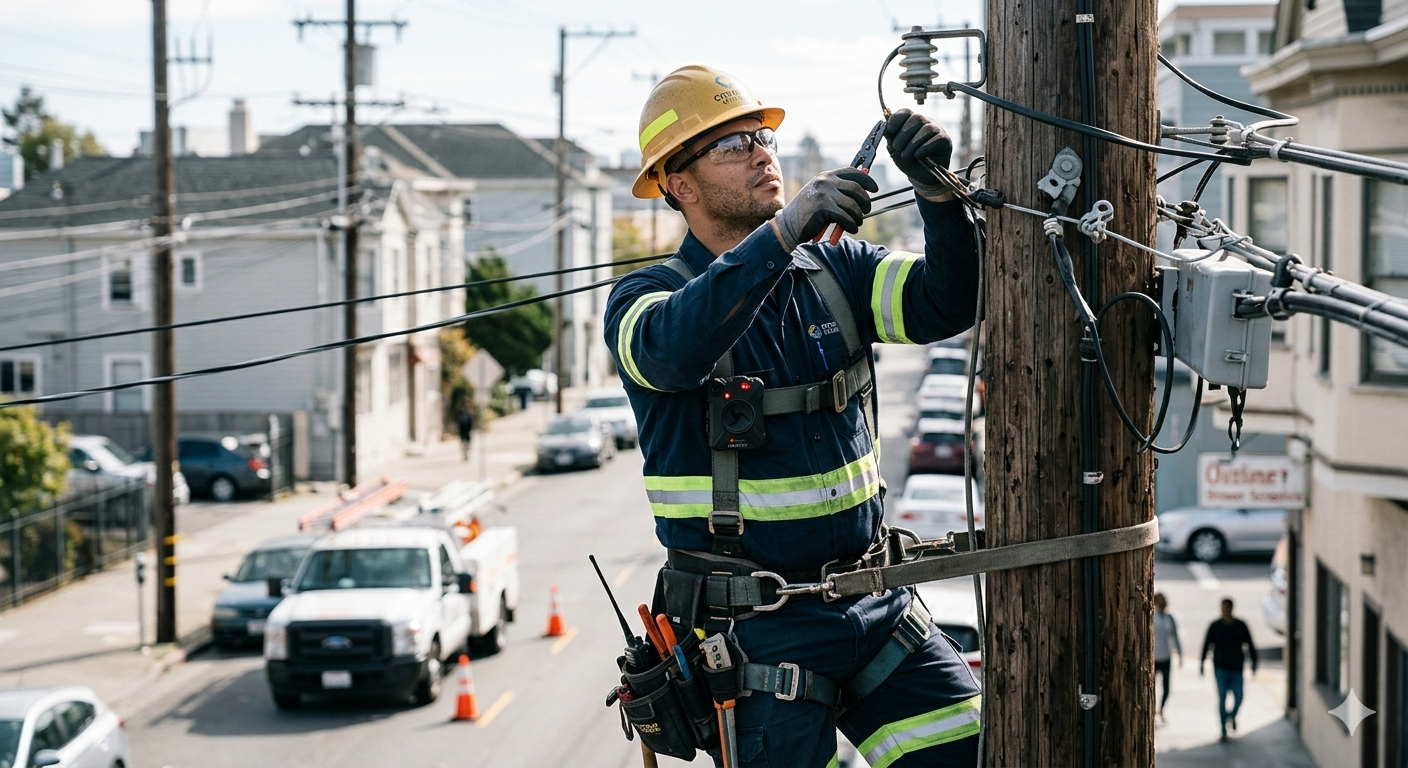
Utility companies face increasing challenges related to worker safety, customer interactions, compliance documentation, and operational accountability. Whether managing electrical grids, water infrastructure, gas distribution networks, or telecommunications services, field personnel regularly work in high-risk environments where accurate incident documentation is essential.
A utility body worn camera has become a valuable technology solution for utility providers seeking to improve workforce safety, reduce liability risks, enhance compliance, and create transparent records of field operations.
For utility contractors, municipal service providers, electric cooperatives, and large utility corporations across the USA, body worn cameras are rapidly evolving from optional equipment into strategic operational assets.
This guide explores the advantages of body-worn cameras in utility work, key features, procurement considerations, customization options, pricing factors, and supplier selection criteria for B2B buyers.
What Is a Utility Body Worn Camera?
A utility body worn camera is a rugged wearable video recording device specifically designed for field technicians, inspectors, maintenance crews, meter readers, line workers, and service personnel.
Unlike consumer action cameras, utility-focused body cameras are engineered for:
- Harsh outdoor environments
- Long working shifts
- Compliance documentation
- Evidence preservation
- Incident reporting
- Customer interaction recording
- Remote monitoring capabilities
These devices continuously or selectively record field activities, creating verifiable digital records that support operational efficiency and risk management.
Why Utility Companies Are Adopting Body Worn Cameras
Several factors are driving adoption across the utility sector.
Growing Safety Requirements
Utility employees often work:
- Near high-voltage equipment
- Around hazardous materials
- In confined spaces
- At elevated heights
- During emergency response situations
Body cameras provide valuable visual evidence during safety investigations and compliance reviews.
Increased Customer Interaction Risks
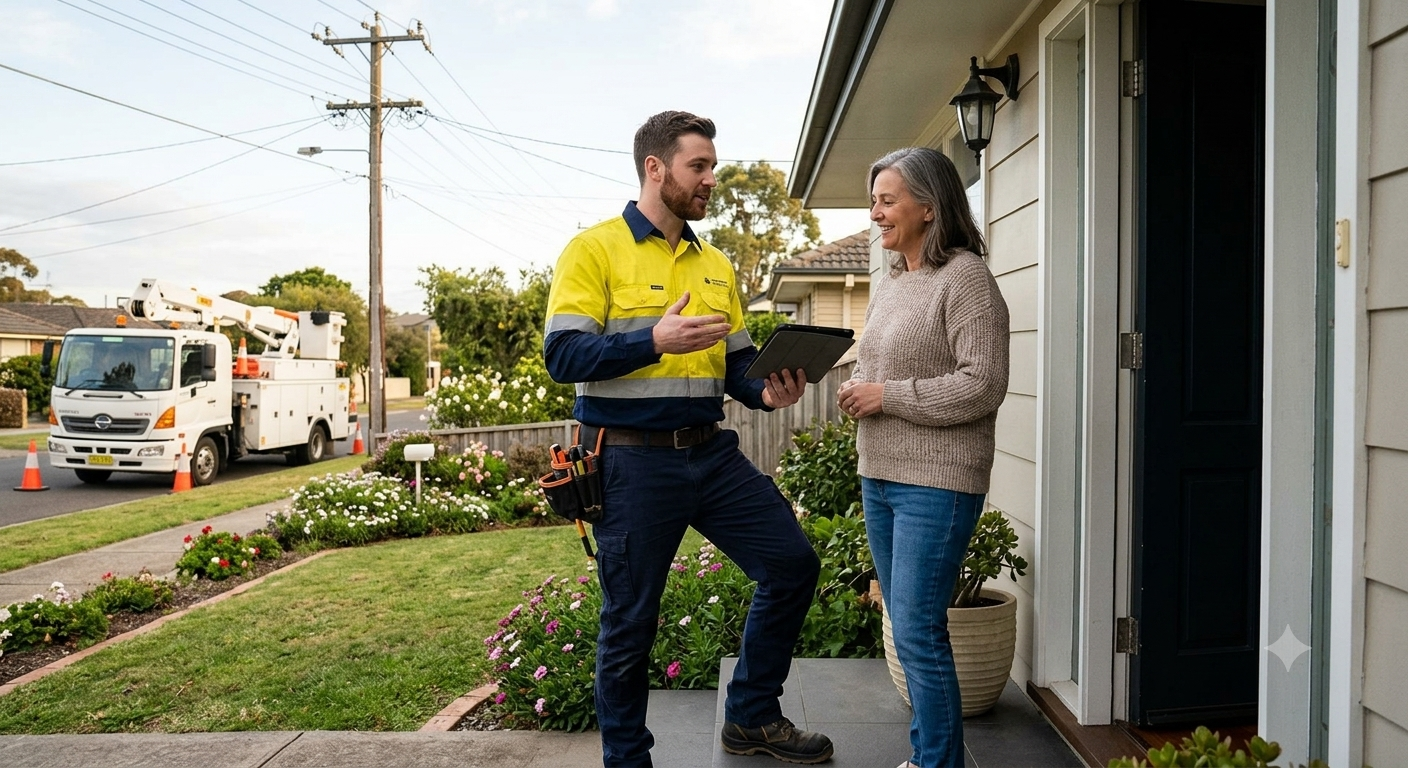
Field technicians regularly interact with customers regarding:
- Service interruptions
- Billing disputes
- Property access
- Equipment installations
Video documentation helps resolve disputes and protect employees against false claims.
Regulatory Compliance
Utility operators must maintain extensive documentation related to:
- Safety procedures
- Inspection protocols
- Maintenance activities
- Incident investigations
Body camera footage provides objective records that support compliance efforts.
Advantages of Body Worn Cameras in Utility Work
The advantages of body-worn cameras in utility work extend far beyond simple video recording.
1. Enhanced Worker Safety
Field workers frequently encounter unpredictable situations.
Body cameras help by:
- Recording hazardous incidents
- Supporting accident investigations
- Encouraging adherence to safety procedures
- Providing training materials from real-world scenarios
Safety managers gain valuable insight into field operations that traditional reporting methods may miss.
2. Improved Incident Documentation
Traditional written reports often lack critical details.
Video evidence provides:
- Time-stamped records
- Accurate event reconstruction
- Reduced reporting errors
- Faster claims processing
This documentation can significantly reduce disputes and legal exposure.
3. Better Customer Service Accountability
Customer complaints can be difficult to verify.
Body camera recordings help utility providers:
- Validate service interactions
- Resolve complaints quickly
- Protect employees from false accusations
- Improve customer trust
Organizations often report reductions in complaint resolution time after implementation.
4. Increased Operational Transparency
Managers can review actual field activities to identify:
- Process inefficiencies
- Compliance gaps
- Training opportunities
- Service quality improvements
This visibility supports continuous operational improvement.
5. Stronger Legal Protection
Utility companies face liability exposure from:
- Workplace accidents
- Property damage claims
- Customer disputes
- Contractor disagreements
Video evidence often provides critical support during investigations and legal proceedings.
6. Enhanced Employee Training
Recorded footage can be used to create practical training programs.
Benefits include:
- Real-world examples
- Safety demonstrations
- Procedure reviews
- New employee onboarding
Training becomes more effective when based on actual field conditions.
Common Applications of Utility Body Worn Cameras
Electric Utility Operations
Applications include:
- Power line inspections
- Transformer maintenance
- Emergency restoration
- Substation work
- Safety audits
Water Utility Services
Typical use cases:
- Pipeline inspections
- Service installations
- Leak investigations
- Customer property access documentation
- Infrastructure assessments
Gas Utility Operations
Common applications:
- Leak detection
- Maintenance verification
- Safety inspections
- Emergency response documentation
Telecommunications Services
Field teams use body cameras during:
- Fiber optic installations
- Network maintenance
- Site inspections
- Customer service visits
Essential Features to Look For
When sourcing a utility body worn camera, B2B buyers should evaluate the following features.
Rugged Design
Look for:
- IP67 or IP68 waterproof rating
- Dust resistance
- Shock resistance
- Wide operating temperature range
Utility environments require industrial-grade durability.
Long Battery Life
Utility shifts often exceed 10 hours.
Recommended:
| Feature | Recommended Specification |
|---|---|
| Recording Time | 10–15 Hours |
| Standby Time | 100+ Hours |
| Fast Charging | Supported |
High Definition Recording
Minimum recommendations:
- 1080P Full HD
- Wide-angle lens
- Low-light recording
- Image stabilization
Higher video quality improves evidence reliability.
GPS Tracking
GPS capabilities enable:
- Location verification
- Route tracking
- Workforce management
- Incident location records
4G LTE and WiFi Connectivity
Connected cameras support:
- Live streaming
- Remote monitoring
- Instant uploads
- Command center integration
These features are particularly valuable during emergency operations.
Secure Evidence Management
Businesses should prioritize:
- AES encryption
- Role-based access
- Cloud integration
- Audit trails
- CJIS-compatible systems where required
Data security is a critical procurement consideration.
Utility Body Camera vs Traditional Documentation
| Feature | Body Worn Camera | Manual Reporting |
|---|---|---|
| Accuracy | High | Medium |
| Evidence Quality | Excellent | Limited |
| Investigation Speed | Fast | Slow |
| Training Value | High | Low |
| Liability Protection | Strong | Moderate |
| Compliance Documentation | Comprehensive | Basic |
For modern utility organizations, body cameras offer significantly greater operational value.
Key Buying Considerations for Procurement Managers
Evaluate Operational Requirements
Ask:
- How many field workers require cameras?
- Are live streaming features necessary?
- What storage capacity is needed?
- Is cloud management required?
Review Supplier Manufacturing Capabilities
A qualified manufacturer should provide:
- OEM services
- ODM customization
- Hardware development
- Firmware customization
- Branding support
Verify Certifications
Important certifications include:
- FCC
- CE
- RoHS
- ISO 9001
- IP67/IP68 ratings
Certification demonstrates quality and regulatory compliance.
Assess Software Ecosystem
The best solutions include:
- Evidence management software
- Fleet management tools
- GPS dashboards
- Cloud storage
- User permission controls
Hardware alone is no longer sufficient.
Customization Options for Utility Companies
Leading body worn camera manufacturers offer extensive customization.
Hardware Customization
Examples:
- Company logo branding
- Custom buttons
- Specialized mounts
- Battery upgrades
- Sensor modifications
Software Customization
Options include:
- Customized user interface
- Enterprise integrations
- Utility-specific workflows
- Reporting dashboards
- API development
Packaging Customization
For distributors and wholesalers:
- Private label packaging
- Retail-ready packaging
- Multilingual documentation
- Customized accessories
MOQ Considerations for B2B Buyers
Minimum order quantities vary based on customization levels.
| Order Type | Typical MOQ |
|---|---|
| Standard Models | 10–50 Units |
| Private Label | 100–300 Units |
| OEM Projects | 300–1000 Units |
| Full ODM Development | 1000+ Units |
MOQ requirements differ by manufacturer and project complexity.
Pricing Factors for Utility Body Worn Cameras
Several variables influence pricing.
Hardware Specifications
Higher costs are associated with:
- 4G LTE connectivity
- AI capabilities
- Larger storage capacity
- Extended battery life
- Higher-resolution sensors
Software Licensing
Costs may include:
- Cloud storage
- Evidence management
- Device management
- Analytics platforms
Customization Requirements
Custom development increases investment but provides stronger competitive differentiation.
How to Select the Right Utility Body Camera Manufacturer
Use the following evaluation checklist.
Manufacturing Expertise
- Years of experience
- Production capacity
- Industry focus
Quality Assurance
- ISO certification
- Testing procedures
- Reliability records
Technical Support
- Firmware updates
- Training assistance
- After-sales service
Customization Capability
- OEM services
- ODM development
- Software integration
Supply Chain Stability
- Consistent lead times
- Component sourcing
- Global shipping support
Future Trends in Utility Body Cameras
Emerging technologies include:
- AI-powered incident detection
- Real-time video analytics
- Automatic safety compliance monitoring
- Edge computing capabilities
- Integration with utility management systems
- Augmented reality field assistance
These innovations are expected to drive broader adoption throughout the utility sector.
Frequently Asked Questions
1. What is a utility body worn camera?
A utility body worn camera is a wearable recording device used by utility workers to document field activities, improve safety, and support compliance.
2. Why are utility companies using body cameras?
They help improve worker safety, reduce liability, document incidents, and enhance customer service accountability.
3. Are body worn cameras suitable for electrical utility workers?
Yes. Rugged body cameras are widely used by electrical utility personnel for inspections, maintenance, and emergency response operations.
4. How long do utility body camera batteries last?
Most professional models offer between 10 and 15 hours of continuous recording.
5. Do utility body cameras support GPS tracking?
Many enterprise-grade models include GPS functionality for workforce tracking and location verification.
6. Can body camera footage be stored in the cloud?
Yes. Modern systems support secure cloud storage and centralized evidence management.
7. What certifications should utility body cameras have?
FCC, CE, RoHS, ISO 9001, and IP67/IP68 certifications are commonly recommended.
8. Can manufacturers provide custom branding?
Yes. Many OEM and ODM suppliers offer logo branding, packaging customization, and software modifications.
9. What is the typical MOQ for private label body cameras?
Private label projects commonly require 100–300 units, depending on the manufacturer.
10. How much does a utility body worn camera cost?
Pricing varies based on features, connectivity, storage, software, and customization requirements.
Conclusion
As utility providers continue prioritizing safety, compliance, operational efficiency, and workforce accountability, the demand for utility body worn camera solutions continues to grow. The numerous advantages of body-worn cameras in utility work include stronger incident documentation, enhanced employee protection, improved customer interaction management, and reduced liability exposure.
For procurement managers, distributors, contractors, and utility organizations across the USA, selecting the right manufacturing partner is just as important as choosing the right hardware. Focus on suppliers with proven OEM and ODM capabilities, strong quality certifications, reliable software ecosystems, and scalable production capacity.
A well-designed utility body worn camera solution can deliver measurable returns through improved safety performance, reduced claims costs, better compliance management, and enhanced operational transparency.