


Across the United States, from New York to California, body worn cameras have become a standard tool in law enforcement and private security operations. Their adoption is driven by increasing demand for transparency, accountability, and reliable evidence collection in real-world incidents.
However, before implementing this technology, it is essential to fully understand the pros and cons of body worn cameras. While they offer clear advantages in policing and security operations, they also introduce challenges related to privacy, cost, and legal compliance.
At Grand Time, we specialize in analyzing modern security technologies, helping organizations make informed decisions. In this article, we take a detailed, EEAT-aligned look at the pros and cons of body worn cameras, supported by real-world applications in the USA.
What Are Body Worn Cameras and How Do They Work?
Body worn cameras are compact recording devices worn on uniforms by police officers, security personnel, and law enforcement agents. They capture audio and video evidence during interactions with the public.
These devices are widely used in law enforcement cameras programs across the USA to improve documentation accuracy and reduce disputes. The recorded body camera footage is often used in investigations and court proceedings.
Understanding the pros and cons of body worn cameras begins with recognizing how they function: continuous or event-based recording, secure data storage, and integration with evidence management systems.
Why Are Body Worn Cameras Widely Used in the USA?
In the United States, the use of wearable police cameras effectiveness has grown rapidly due to public demand for transparency and accountability in policing.
Cities like Los Angeles, Chicago, and Houston have adopted body worn video systems to:
- Improve trust between officers and citizens
- Reduce false complaints
- Strengthen evidence collection
- Enhance officer behavior during interactions
However, evaluating the pros and cons of body worn cameras is necessary before large-scale deployment, especially due to legal and operational complexities.
What Are the Pros and Cons of Body Worn Cameras?
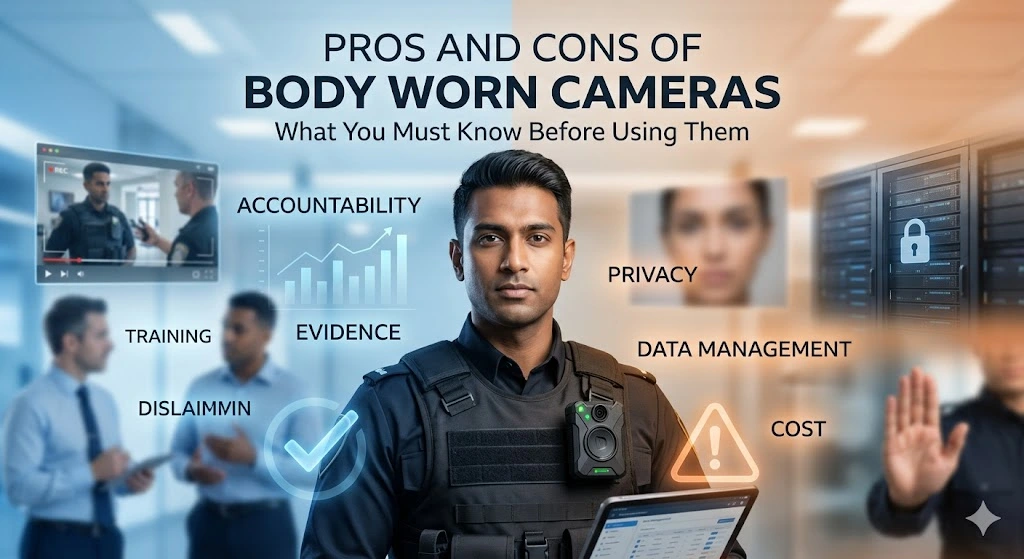
When analyzing the pros and cons of body worn cameras, it is important to consider both operational benefits and real-world limitations.
On one hand, they improve accountability, enhance transparency, and support legal evidence collection. On the other hand, concerns include privacy issues, cost, and data security challenges.
The pros and cons of body worn cameras also vary depending on how well they are implemented in police body camera programs, helmet camera systems, and security operations.
At Grand Time, we emphasize balanced decision-making when evaluating the pros and cons of body worn cameras for both public and private sector use.
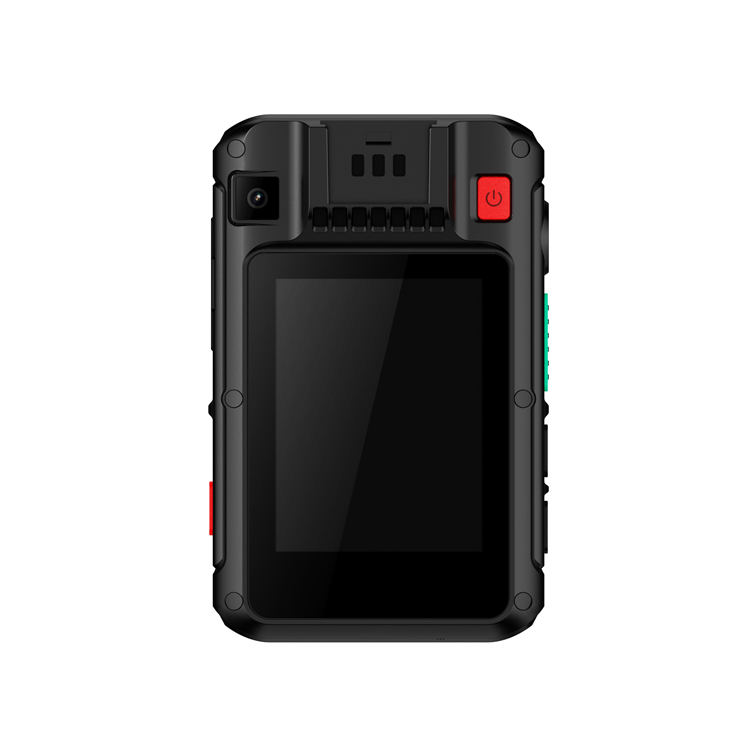
What Are the Advantages of Body Worn Cameras?
The benefits of body worn cameras are significant in modern law enforcement and security environments.
Key Advantages:
- Improved transparency in policing
- Increased officer accountability
- Stronger body worn camera evidence usage in court
- Reduction in public complaints
- Enhanced body worn camera accountability
- Better documentation of incidents
- Improved police body cameras advantages in conflict resolution
Research in the USA suggests that body camera effectiveness in law enforcement helps improve behavior during public interactions and reduces escalation in many cases.
These benefits are a major reason why the pros and cons of body worn cameras are widely studied by security agencies and policymakers.
What Are the Disadvantages of Body Worn Cameras?
Despite their benefits, body worn cameras come with important limitations.
Key Disadvantages:
- Privacy concerns in sensitive situations
- High cost of storage and maintenance
- Issues with body worn camera data storage concerns
- Limited battery life during long shifts
- Complex body camera regulations across US states
- Possible misuse or selective recording
- Questions around body camera footage reliability
These limitations highlight why understanding the pros and cons of body worn cameras is essential before implementation.
Many agencies also struggle with balancing transparency and body worn camera privacy issues, especially in residential or confidential environments.
How Effective Are Body Worn Cameras in Real-World Policing?
The effectiveness of body worn cameras in the USA depends heavily on policy enforcement and officer training.
Studies show improvements in:
- Reduction of complaints
- Better officer conduct
- Increased public trust
However, results vary depending on how departments manage law enforcement cameras and enforce recording rules.
While many agencies report success, others see limited changes, making it important to carefully evaluate the pros and cons of body worn cameras before adoption.
What Legal and Ethical Issues Should Be Considered?
One of the most critical aspects of the pros and cons of body worn cameras is legal compliance.
In the USA, regulations differ by state regarding:
- Recording consent
- Public vs private space limitations
- Data retention policies
- Access to recorded footage
Ethical concerns also arise when balancing surveillance with individual privacy rights.
Organizations like Grand Time emphasize responsible use of technology to ensure compliance with legal standards and ethical practices when deploying body worn video systems.
Are Body Worn Cameras Worth It for Security Companies?
For private security companies, body worn cameras are increasingly valuable tools.
They help:
- Improve incident reporting accuracy
- Build client trust
- Provide evidence during disputes
- Enhance operational transparency
However, the pros and cons of body worn cameras must be evaluated carefully due to cost, training, and data management requirements.
At Grand Time, we recommend evaluating both short-term benefits and long-term operational impact before investing in security body worn camera systems.
Final Verdict
The decision to adopt body worn cameras depends on organizational needs, legal requirements, and operational goals.
The pros and cons of body worn cameras clearly show that while they improve accountability and evidence collection, they also introduce challenges related to privacy, cost, and regulation.
For law enforcement agencies and security firms in the USA, the key is balanced implementation supported by clear policies and proper training.
Grand Time continues to analyze and guide organizations in adopting effective security technologies based on real-world performance and compliance standards.
FAQs
1. What are the main pros and cons of body worn cameras?
The pros and cons of body worn cameras include improved accountability, better evidence collection, privacy concerns, and storage costs.
2. Do body worn cameras actually reduce crime?
In many US cities, they help reduce complaints and improve behavior, though direct crime reduction varies by department.
3. Are body worn cameras legal in the United States?
Yes, but laws vary by state regarding recording permissions and data usage policies.
4. How is body camera footage used in investigations?
It is used as evidence in court cases, internal reviews, and dispute resolution processes.
5. Why do security companies use body worn cameras?
They improve transparency, strengthen evidence collection, and increase trust between clients and security providers.