




Introduction
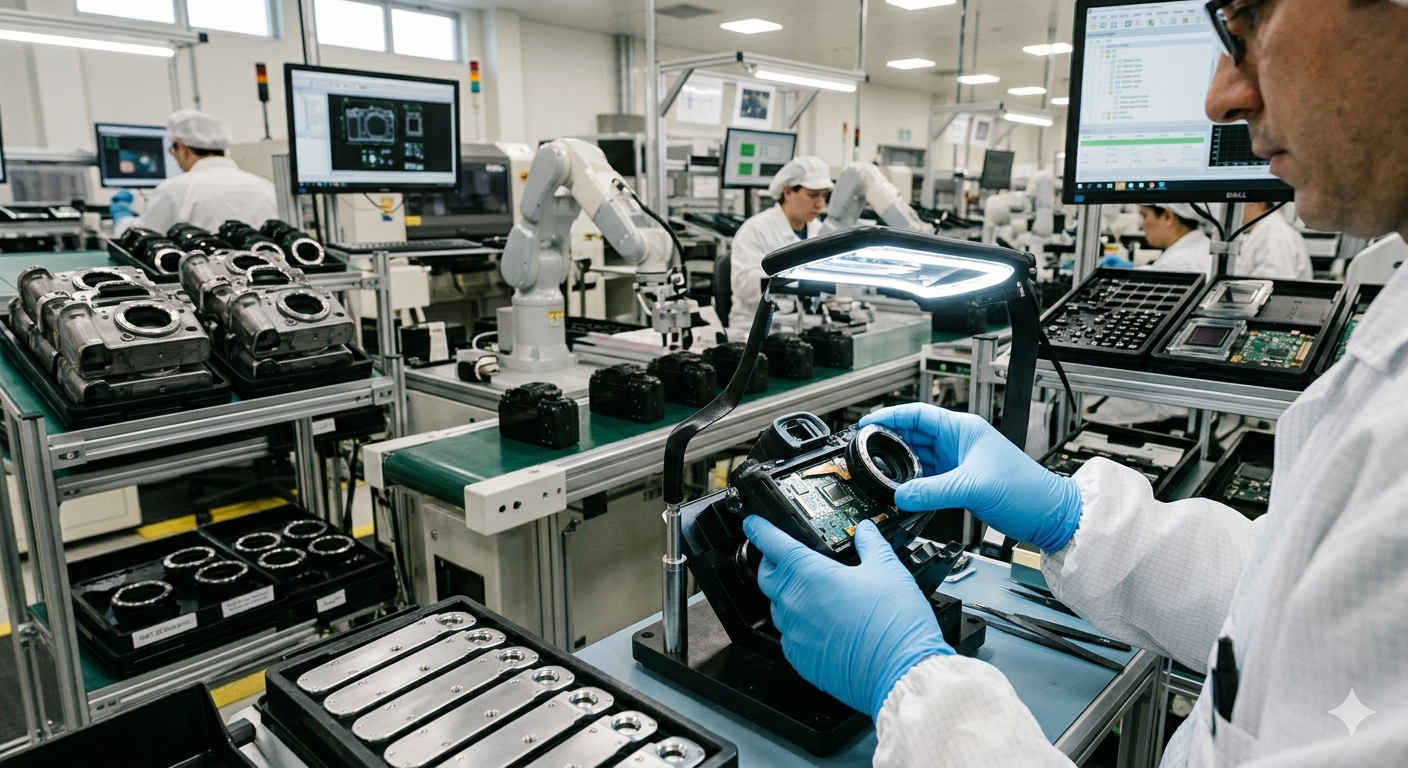
When sourcing body cameras for law enforcement, security companies, transportation agencies, and enterprise users, buyers often focus on features such as video quality, storage capacity, battery life, and software integration. However, the camera body manufacturing process is equally important because it directly impacts durability, reliability, product lifespan, and overall performance.
For procurement managers, distributors, wholesalers, and OEM partners, understanding how a camera body is manufactured can help evaluate suppliers, compare manufacturing capabilities, and reduce sourcing risks.
This guide explains the complete camera body manufacturing process, from material selection to final quality inspection, while highlighting key considerations for businesses seeking OEM body camera manufacturing services in the USA market.
What Is the Camera Body Manufacturing Process?
The camera body manufacturing process refers to the series of engineering, design, production, assembly, and quality control procedures used to create the physical housing and structural components of a camera.
For body-worn cameras, the process typically includes:
- Product design and engineering
- Material selection
- Mold development
- Injection molding
- Surface treatment
- Component assembly
- Waterproofing and sealing
- Functional testing
- Quality inspection
- Packaging and shipment
The quality of each stage determines the final product’s durability, appearance, and operational reliability.
Why Camera Body Manufacturing Quality Matters
For commercial buyers, manufacturing quality affects:
| Factor | Business Impact |
|---|---|
| Durability | Lower warranty claims |
| Waterproof Performance | Reliable outdoor use |
| Drop Resistance | Reduced replacement costs |
| Appearance Quality | Stronger brand reputation |
| Product Lifespan | Better ROI |
| Compliance Standards | Easier market entry |
Poor manufacturing can result in cracked housings, water damage, battery failures, and increased returns.
Step 1: Product Design and Engineering
Before production begins, engineers develop the camera body design.
Key Design Considerations
- Ergonomic structure
- Weight optimization
- Lens positioning
- Button accessibility
- Battery compartment design
- Heat dissipation
- Waterproof sealing
- Shock resistance
For OEM body camera projects, manufacturers often provide:
- 3D CAD design
- Rapid prototyping
- Custom logo placement
- Private label design
- Custom housing development
Typical Design Software
- SolidWorks
- AutoCAD
- CATIA
- Creo
Professional design reduces manufacturing defects and improves production efficiency.
Step 2: Material Selection
Material selection is one of the most important stages in the camera body manufacturing process.
Common Materials Used
ABS Plastic
Advantages:
- Cost-effective
- Lightweight
- Easy to mold
Applications:
- Entry-level body cameras
Polycarbonate (PC)
Advantages:
- High impact resistance
- Heat resistant
- Excellent durability
Applications:
- Professional body cameras
PC+ABS Blend
Advantages:
- Strong and lightweight
- Improved toughness
- Better surface finish
Applications:
- Most commercial body-worn cameras
Aluminum Alloy
Advantages:
- Premium appearance
- Enhanced durability
- Improved heat dissipation
Applications:
- High-end security cameras
Step 3: Mold Design and Tooling
After finalizing the product design, manufacturers create precision molds.
Mold Development Process
- CAD design review
- Mold flow analysis
- CNC machining
- Mold polishing
- Trial production
Why Mold Quality Matters
High-quality molds provide:
- Consistent dimensions
- Better surface finish
- Faster production
- Lower defect rates
For customized body camera projects, mold investment is often one of the largest upfront costs.
Step 4: Injection Molding Production
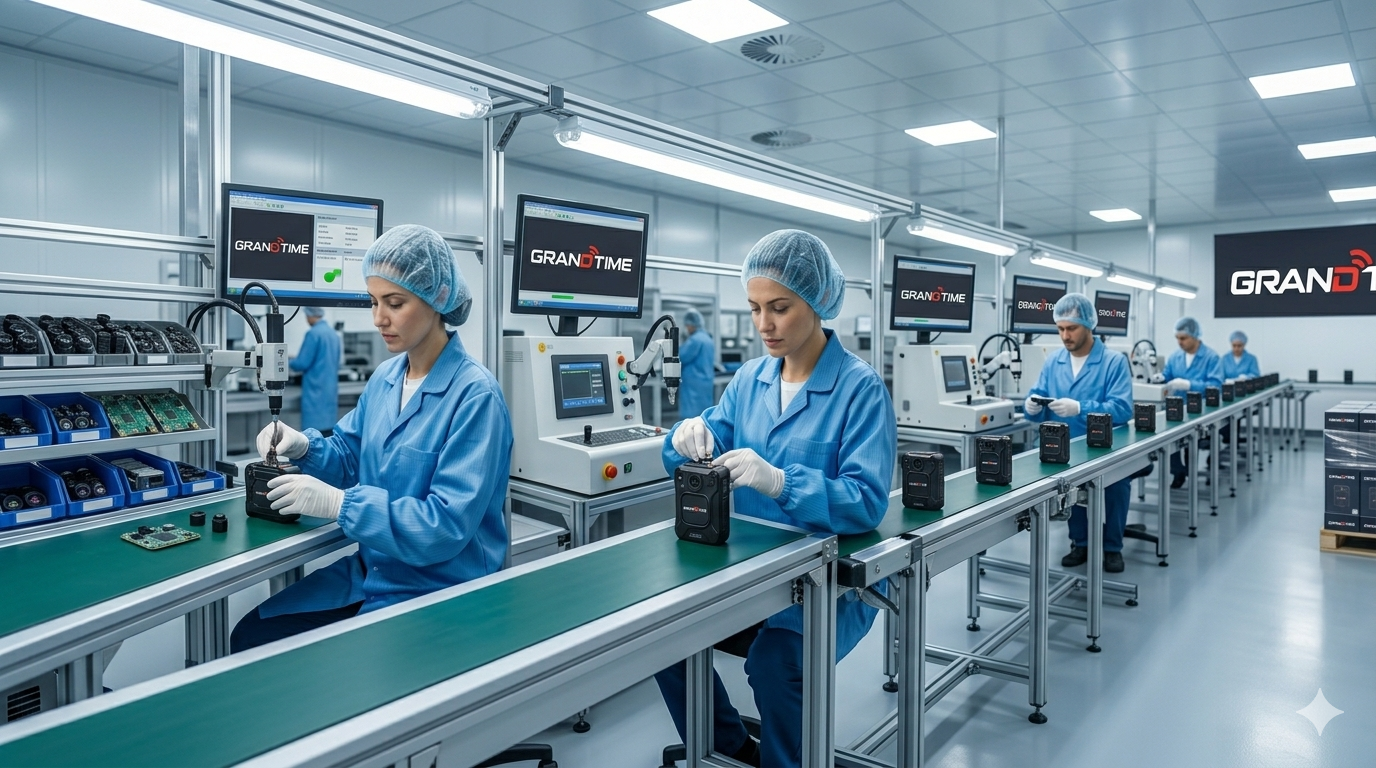
Injection molding is the core manufacturing process used to produce camera housings.
How Injection Molding Works
- Plastic pellets are heated.
- Molten material is injected into the mold.
- Material cools and solidifies.
- The molded housing is ejected.
- Excess material is trimmed.
Benefits of Injection Molding
- High production efficiency
- Excellent consistency
- Lower unit cost at scale
- Suitable for mass production
Most professional OEM body camera manufacturers operate automated injection molding workshops to ensure consistent quality.
Step 5: Surface Treatment and Finishing
After molding, camera housings undergo surface treatment.
Common Surface Treatments
UV Coating
Benefits:
- Scratch resistance
- Enhanced appearance
Rubberized Coating
Benefits:
- Better grip
- Improved drop protection
Laser Engraving
Benefits:
- Permanent logo marking
- Serial number tracking
Silk Screen Printing
Benefits:
- Brand customization
- Product labeling
A high-quality finish improves both product aesthetics and user experience.
Step 6: Internal Component Assembly
Once the housing is prepared, technicians assemble electronic components.
Components Installed
- Camera module
- Main PCB board
- Battery
- Display screen
- Microphone
- Speaker
- Storage module
- GPS module
- WiFi module
- 4G or 5G communication module
Assembly typically occurs in ESD-protected environments to prevent electronic damage.
Step 7: Waterproof and Dustproof Sealing
Many body cameras require IP-rated protection.
Common Protection Standards
| Standard | Protection Level |
|---|---|
| IP54 | Dust and splash resistance |
| IP65 | Water jet resistance |
| IP67 | Temporary immersion |
| IP68 | Extended water resistance |
Waterproofing Methods
- Silicone gaskets
- Precision seals
- Waterproof membranes
- Ultrasonic welding
Proper sealing is critical for police and security applications.
Step 8: Functional Testing
Before shipment, every body camera should undergo extensive testing.
Typical Tests
Video Recording Test
Verifies:
- Resolution
- Frame rate
- Image quality
Audio Test
Checks:
- Recording quality
- Noise reduction
Battery Test
Measures:
- Runtime
- Charging performance
Connectivity Test
Validates:
- WiFi
- GPS
- LTE functionality
Step 9: Reliability Testing
Professional OEM body camera manufacturers perform durability testing.
Drop Testing
Typical drop heights:
- 1.5 meters
- 2 meters
- 3 meters
Vibration Testing
Simulates:
- Transportation conditions
- Field operations
Temperature Testing
Tests performance in:
- High heat
- Extreme cold
Button Life Testing
Measures:
- Thousands of activation cycles
These tests help ensure long-term field performance.
Step 10: Quality Control Inspection
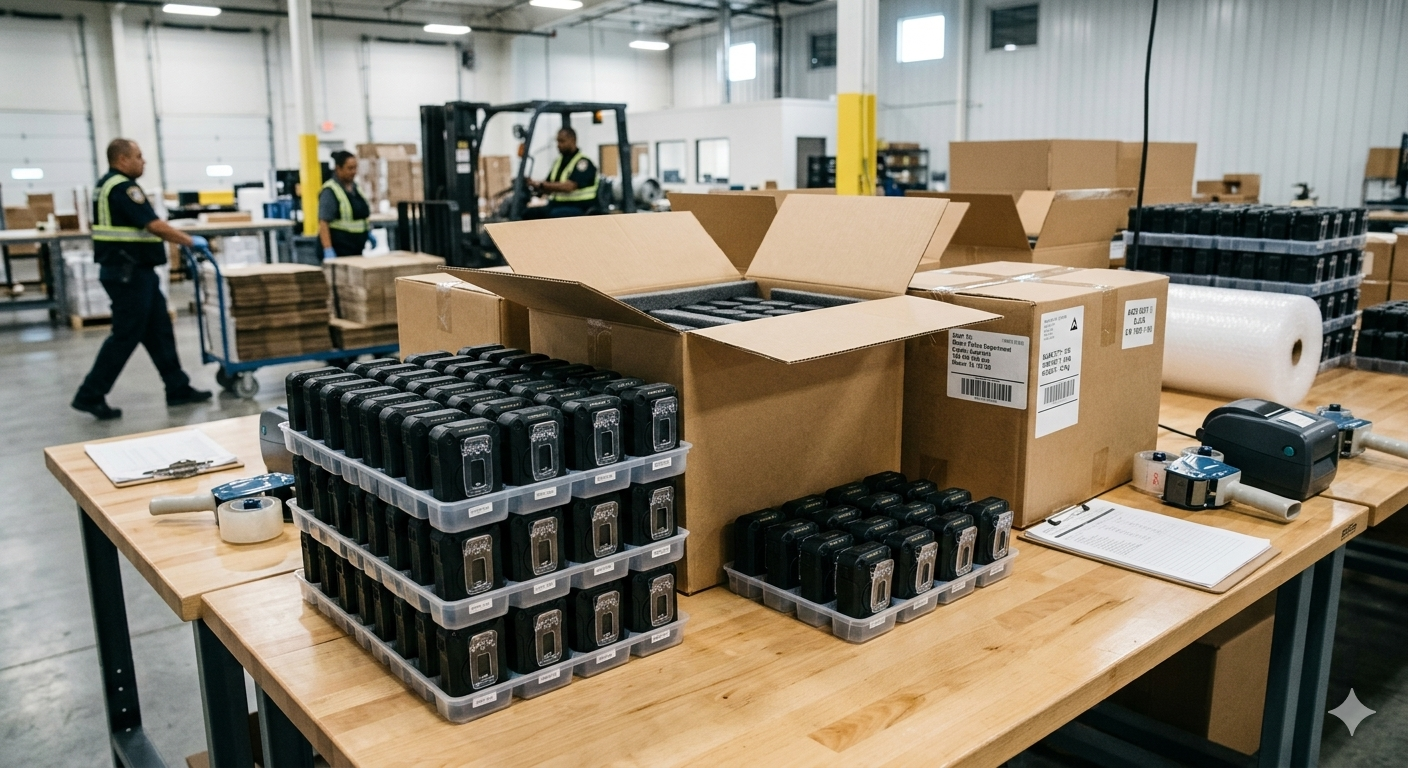
Quality control is essential for B2B buyers.
IQC (Incoming Quality Control)
Checks:
- Raw materials
- Electronic components
IPQC (In Process Quality Control)
Monitors:
- Production quality
- Assembly accuracy
FQC (Final Quality Control)
Inspects:
- Appearance
- Functionality
- Packaging
OQC (Outgoing Quality Control)
Verifies:
- Shipment readiness
- Product consistency
OEM Camera Body Manufacturing vs Standard Production
| Feature | OEM Manufacturing | Standard Production |
|---|---|---|
| Branding | Custom | Fixed |
| Housing Design | Customizable | Standard |
| Firmware | Custom | Standard |
| Packaging | Customized | Generic |
| MOQ | Higher | Lower |
| Tooling Cost | Required | Not Required |
| Product Differentiation | High | Limited |
For distributors and wholesalers seeking private-label opportunities, OEM manufacturing provides greater market differentiation.
Key Certifications Buyers Should Verify
When selecting a body camera manufacturer, look for:
- ISO 9001
- ISO 14001
- CE Certification
- FCC Certification
- RoHS Compliance
- MIL STD Testing Reports
- IP Rating Reports
These certifications demonstrate manufacturing quality and regulatory compliance.
Factors That Affect Camera Body Manufacturing Cost
Several factors influence production pricing:
Material Type
Premium materials increase costs.
Tooling Complexity
Custom molds require investment.
Waterproof Rating
Higher IP ratings require additional engineering.
Production Volume
Larger orders reduce unit costs.
Custom Branding
Private labeling adds production steps.
Testing Requirements
Advanced reliability testing increases manufacturing expenses.
How to Choose the Right OEM Body Camera Manufacturer
Before placing an order, evaluate suppliers based on:
Manufacturing Capabilities
- Injection molding workshop
- SMT production lines
- Assembly facilities
Quality Control System
- ISO-certified processes
- Multiple inspection stages
R&D Capability
- Hardware development
- Software customization
Customization Services
- Logo printing
- Firmware customization
- Packaging design
MOQ Flexibility
- Suitable for distributors
- Suitable for government tenders
Export Experience
- USA market experience
- Regulatory compliance knowledge
Applications of Professionally Manufactured Body Cameras
High-quality body cameras are widely used in:
- Law enforcement agencies
- Private security companies
- Transportation operators
- Healthcare facilities
- Logistics companies
- Correctional facilities
- Emergency response teams
- Retail security operations
Conclusion
Understanding the camera body manufacturing process helps B2B buyers make informed sourcing decisions and select reliable OEM body camera manufacturers. From material selection and injection molding to assembly, waterproofing, testing, and certification, every production stage contributes to product quality and long-term performance.
For distributors, importers, government contractors, and security solution providers in the USA, partnering with an experienced OEM body camera manufacturer can improve product reliability, reduce warranty risks, and create stronger market differentiation through customization and private labeling opportunities.
Frequently Asked Questions
1. What is the camera body manufacturing process?
The camera body manufacturing process includes design, material selection, mold creation, injection molding, assembly, testing, quality control, and packaging.
2. What materials are commonly used in body camera housings?
PC, ABS, PC+ABS blends, and aluminum alloys are the most common materials.
3. Why is injection molding important in camera manufacturing?
Injection molding provides consistent quality, precise dimensions, and cost-effective mass production.
4. What is the best material for a body camera housing?
PC+ABS is widely preferred because it balances durability, weight, and manufacturing cost.
5. How do manufacturers make body cameras waterproof?
They use silicone gaskets, waterproof membranes, ultrasonic welding, and precision sealing technologies.
6. What certifications should a body camera manufacturer have?
ISO 9001, CE, FCC, RoHS, and relevant IP rating certifications are recommended.
7. What affects OEM body camera manufacturing costs?
Materials, tooling, customization, certifications, testing requirements, and production volume affect costs.
8. What is a typical MOQ for OEM body camera manufacturing?
MOQ typically ranges from 100 to 1,000 units depending on customization requirements.
9. Can manufacturers customize the camera housing design?
Yes. OEM manufacturers can customize housing design, logos, firmware, colors, and packaging.
10. How can buyers evaluate a body camera supplier?
Review manufacturing capabilities, certifications, quality systems, customization options, export experience, and testing procedures.